8 Best Viking Museums and Experiences in Norway
8 Best Viking Museums and Experiences in Norway
When we think about Norway, Vikings are often one of the first things that come to mind. Their impressive ships, Norse mythology and fascinating history of exploration, trade and warfare have captured people’s imagination for centuries.
But there’s much more to Viking culture than battles and legends.
Norway has several museums, archaeological sites and reconstructed Viking villages where you can discover what everyday life was like during the Viking Age, from the 8th to the 11th century.
Some places display original archaeological discoveries, while others offer interactive activities, traditional crafts and experiences that bring Viking history to life.
Here are 8 of the best Viking museums and experiences in Norway, including where to find them and practical information to help you plan your visit.
1. Njardarheimr Viking Village in Gudvangen
Located in the heart of Norway’s fjord region, Njardarheimr Viking Village is one of the country’s most immersive Viking attractions.
The village is situated in Gudvangen, near the beautiful Nærøyfjord, and its name means Home of Njord, referring to the Norse god associated with the sea.
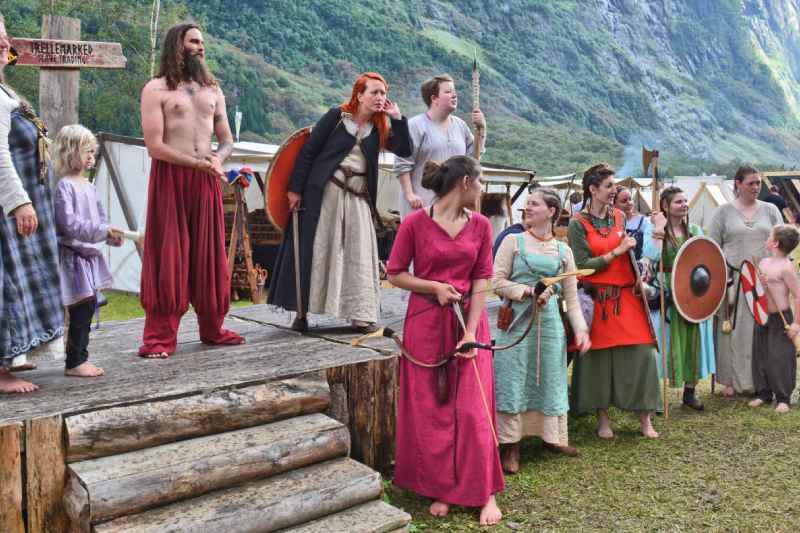
Unlike a traditional museum, Njardarheimr is a reconstructed Viking settlement where history is brought to life through buildings, demonstrations and costumed interpreters.
As you walk through the village, you’ll find wooden houses, workshops and people demonstrating traditional Viking crafts and activities.
You can learn about how Vikings lived, worked, traded and prepared food.
Depending on the programme, visitors may also be able to try activities such as archery, axe throwing or traditional games.
Guided tours provide an introduction to Viking society, mythology and everyday life.
How to visit Njardarheimr
Location: Gudvangen, Vestland.
The village is easily accessible from Flåm, making it a great addition to a trip through the Sognefjord region.
You can combine your visit with a cruise through Nærøyfjord or a scenic journey on the Flåm Railway.
Opening hours (2026):
- April to October: daily, 10 AM–6 PM.
- November to March: daily, 10:30 AM–2 PM.
- Closed December 24 and 25.
Admission: Adult tickets cost 260 NOK at the entrance in 2026. Children aged 4–15 pay 120 NOK.
Advance booking is optional for regular admission, although it may be useful during busy periods.
Best for: families, interactive activities and travellers who want to experience Viking daily life.
Official website: Viking Valley
2. Avaldsnes Viking Farm near Haugesund
Avaldsnes is one of the most historically important Viking sites in Norway.
Located on the island of Karmøy, near Haugesund, it was an important centre of power during the Viking Age.
According to Norse traditions, the area is closely associated with Harald Fairhair, who is remembered as Norway’s first king.
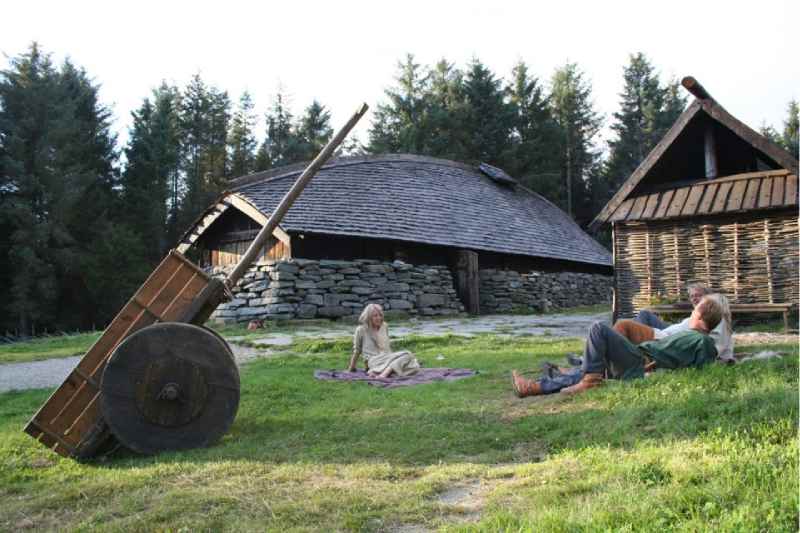
Today, visitors can explore a reconstructed Viking farm that shows what life may have looked like more than 1,000 years ago.
The farm includes traditional wooden buildings and offers opportunities to learn about Viking agriculture, crafts, food and social life.
Nearby, the Nordvegen History Centre provides exhibitions about the region’s royal history, Norse mythology and its importance as a maritime trading route.
The Avaldsnes Viking Festival
One of the best times to visit Avaldsnes is during its annual Viking Festival, usually held in June.
The festival brings together historical reenactors, craftspeople and traders from Norway and other European countries.
Visitors can enjoy traditional markets, Viking-inspired food, music, storytelling and demonstrations of historical crafts.
It’s a great opportunity to experience the atmosphere of a Viking settlement.
How to visit Avaldsnes
Location: Avaldsnes, Karmøy, near Haugesund.
The Viking Farm is normally open to individual visitors during the main summer season, while guided group visits can be arranged at other times.
The Nordvegen History Centre has a longer visiting season.
Admission: During summer 2026, a combined adult ticket covering the attractions and guided tours cost 190 NOK.
Check current opening dates and prices before travelling, especially outside summer.
Best for: Viking history, reconstructed settlements and cultural festivals.
Official website: Historic Avaldsnes
3. Kaupang Viking Town in Larvik
Kaupang is considered Norway’s first known urban trading settlement, making it one of the country’s most important Viking archaeological sites.
Located near Larvik, in the Vestfold region, Kaupang was established around the year 800.
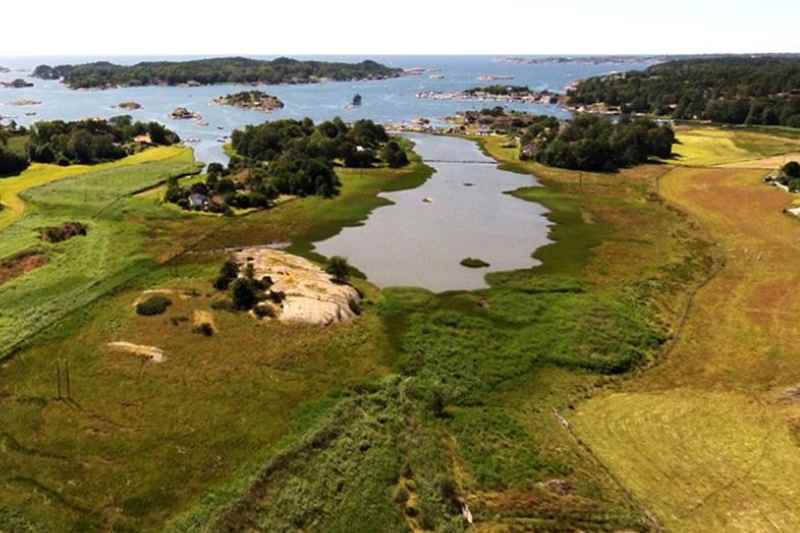
During the Viking Age, it became a centre for trade and craftsmanship, connecting Scandinavia with merchants from other parts of Europe.
Archaeological discoveries have revealed evidence of workshops, trading activities, everyday objects and burial sites.
Today, the area offers visitors the opportunity to learn about Viking trade, crafts and daily life through exhibitions, guided walks and activities.
Unlike Njardarheimr, Kaupang is primarily a historical and archaeological site rather than a complete reconstructed Viking village.
What can you do in Kaupang?
Depending on the season, visitors can enjoy:
- Exhibitions about Viking trade and craftsmanship.
- Guided tours of the archaeological area.
- Traditional crafts and historical demonstrations.
- Viking games and educational activities.
- Walks around nearby burial sites and historic landscapes.
How to visit Kaupang
Location: Kaupangveien 276, Larvik, Vestfold.
Kaupang is a convenient stop if you’re exploring southern Norway or travelling through the Vestfold region.
Opening hours (2026): June 24 to August 30, Tuesday to Sunday, 10 AM–5 PM.
Outside the summer season, visits can be arranged by appointment.
Admission: 110 NOK during the 2026 season.
The outdoor historical area can also be explored independently.
Best for: archaeology, Viking trading history and travellers interested in everyday life during the Viking Age.
Official website: Kaupang Viking Town
4. Viking Ship Museum in Oslo: The Future Museum of the Viking Age
The Viking Ship Museum in Oslo has long been one of Norway’s most famous historical attractions.
Its collection includes three extraordinary Viking ships: Oseberg, Gokstad and Tune.
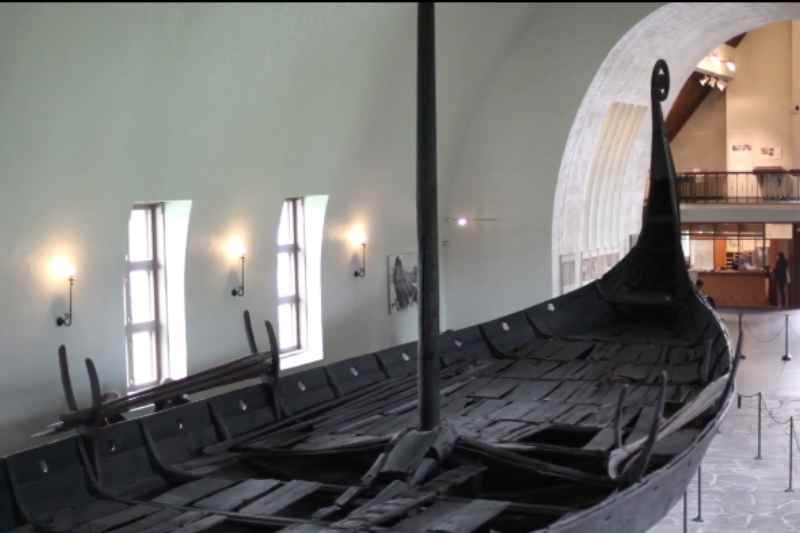
These vessels were discovered in Viking burial mounds and provide valuable information about shipbuilding, burial traditions and society during the Viking Age.
The Oseberg and Gokstad ships are particularly remarkable for their preservation and craftsmanship.
The collection also includes objects discovered in the burial sites, such as sledges, tools, textiles and decorative wooden carvings.
Is the Viking Ship Museum open?
The former Viking Ship Museum is currently closed.
It closed in 2021 to allow the construction and renovation work required for the new Museum of the Viking Age (Vikingtidsmuseet).
The new museum is being developed on the Bygdøy peninsula in Oslo and will provide a much larger exhibition space for the ships and thousands of Viking Age artefacts.
Its opening is currently planned for late 2027, although the exact date may change.
Where can you see Viking artefacts in Oslo now?
While the new museum is under construction, you can visit the Historical Museum in central Oslo.
Its Viking Age exhibitions display original objects and explore different aspects of Viking society.
This is a good alternative if you’re visiting Oslo before the new museum opens.
Location: Bygdøy, Oslo. The new museum is not yet open to visitors.
Best for: original Viking ships, archaeology and Norwegian maritime history.
Official website: Museum of the Viking Age
5. Lofotr Viking Museum in the Lofoten Islands
Located in the spectacular Lofoten Islands, Lofotr Viking Museum is one of the most impressive Viking attractions in Norway.
The museum stands in Borg, where archaeologists discovered the remains of an enormous Viking chieftain’s longhouse.
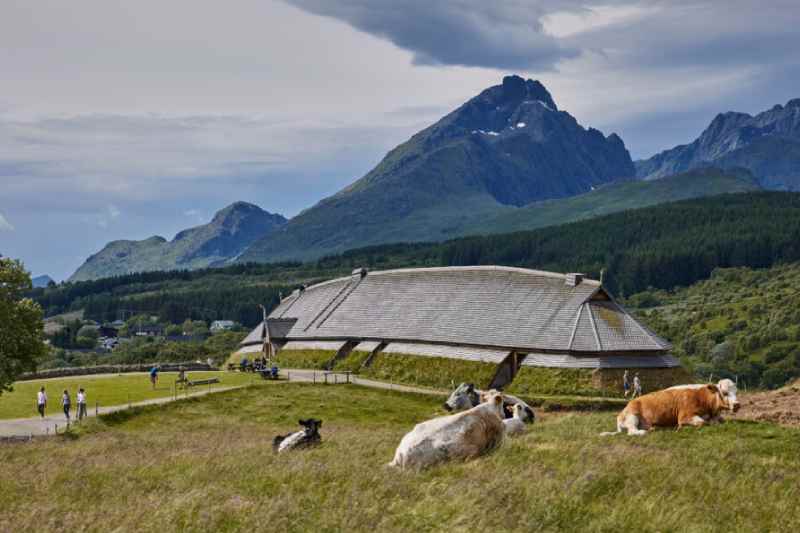
The reconstructed longhouse is approximately 83 metres long and offers a fascinating look at how wealthy Viking leaders may have lived.
Inside, visitors can explore large wooden halls, traditional furnishings and areas used for feasts and gatherings.
The atmosphere is especially memorable, with wood fires, historical storytelling and demonstrations of Viking crafts.
What can you do at Lofotr?
During the main visitor season, the museum offers a range of activities that may include:
- Exploring the reconstructed chieftain’s longhouse.
- Learning about Viking farming and craftsmanship.
- Trying traditional games and activities.
- Rowing or sailing in a reconstructed Viking ship, when available.
- Enjoying a Viking-inspired feast.
The outdoor setting is beautiful, surrounded by the dramatic landscapes of the Lofoten Islands.
How to visit Lofotr Viking Museum
Location: Borg, Vestvågøy, Lofoten.
The museum is located near Bøstad, along the E10 road connecting the Lofoten Islands.
You can easily include it in a road trip between Leknes and Svolvær.
Opening hours: The museum operates throughout the year, but opening days and times vary considerably by season.
For example, during November and December 2026, regular visits were available on Wednesdays and Saturdays from 11 AM to 5 PM.
Admission: The adult ticket price for autumn 2026 was 210 NOK.
Activities and Viking feasts may have separate prices or require advance booking.
Best for: Viking longhouses, interactive history and families travelling through Lofoten.
Official website: Lofotr Viking Museum
6. Midgard Viking Centre in Horten
Midgard Viking Centre is located beside one of Norway’s most important Viking burial sites.
The museum stands in Borre, near Horten, in the Vestfold region.
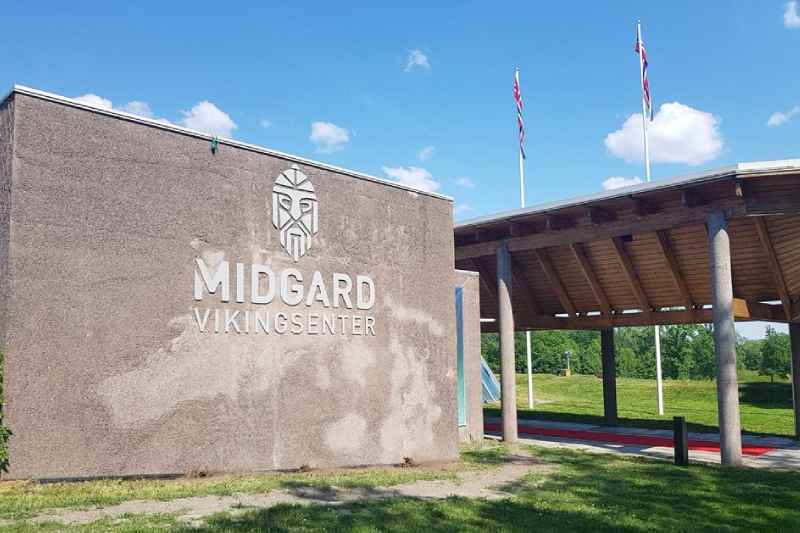
The surrounding Borre National Park contains large burial mounds associated with powerful families and leaders from the Viking Age and earlier periods.
These burial sites provide valuable evidence of the political and cultural importance of the region.
The museum combines historical exhibitions with interactive activities and reconstructions to help visitors understand Viking society.
One of its main attractions is the Viking Hall (Gildehallen), a reconstructed ceremonial hall inspired by archaeological discoveries.
Inside, visitors can learn about the gatherings, feasts and traditions of powerful Viking families.
What can you do at Midgard?
A visit to the centre may include:
- Exploring exhibitions about Viking society and archaeology.
- Visiting the reconstructed Viking Hall.
- Walking among the burial mounds in Borre National Park.
- Taking part in guided tours and educational activities.
- Enjoying seasonal events and historical demonstrations.
The surrounding park is also a peaceful place for a walk.
How to visit Midgard Viking Centre
Location: Birkelyveien 9, Borre, Horten.
Midgard is a convenient attraction for travellers exploring Vestfold and the Oslofjord region.
Opening hours:
- June to August: daily, 11 AM–4 PM.
- Low season: Wednesday to Sunday, 11 AM–4 PM.
- Special schedules may apply during holidays and events.
Admission: Adult tickets cost 100 NOK during the low season and 140 NOK during the high season, according to the published visitor information.
The outdoor burial mounds can be visited without buying a museum ticket.
Best for: archaeological sites, Viking burial traditions and historical exhibitions.
Official website: Midgard Viking Centre
7. Viking House in Stavanger: A Virtual Reality Experience
If you’re looking for a different way to explore Viking history, Viking House in Stavanger offers an immersive virtual reality experience.
Instead of traditional museum displays, Viking House uses VR technology to take visitors back to the Viking Age.
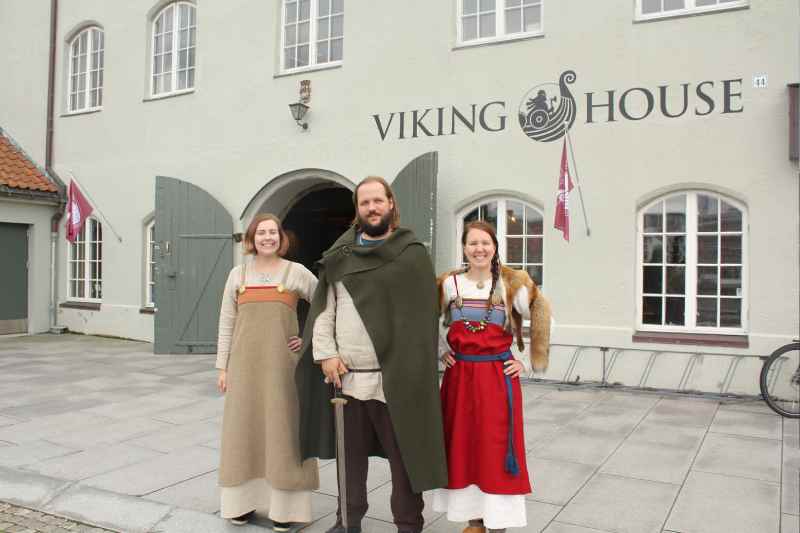
The experience focuses on the story of Harald Fairhair and the legendary Battle of Hafrsfjord, which plays an important role in Norwegian historical traditions.
Visitors wear VR headsets and experience a visual recreation of events described in the Norse sagas.
It’s an entertaining introduction to Viking history, particularly for visitors who enjoy digital experiences and storytelling.
The centre also features Viking-inspired decorations and a small shop.
How to visit Viking House
Location: Strandkaien 44, central Stavanger.
Viking House is located near Stavanger’s harbour, making it easy to reach on foot while exploring the city centre.
It’s also a convenient attraction for cruise passengers.
Opening hours: Opening times vary and are often arranged around cruise ship arrivals in Stavanger.
Group visits outside regular hours may be available by arrangement.
Check opening times before visiting, as the attraction does not follow a fixed daily schedule.
Best for: virtual reality, interactive storytelling and short activities in Stavanger.
Official website: Viking House
8. The Viking Planet in Oslo
The Viking Planet is one of Norway’s most modern Viking attractions, combining history with immersive digital technology.
Located in central Oslo, near City Hall, this interactive museum offers a different way to discover the Viking Age.
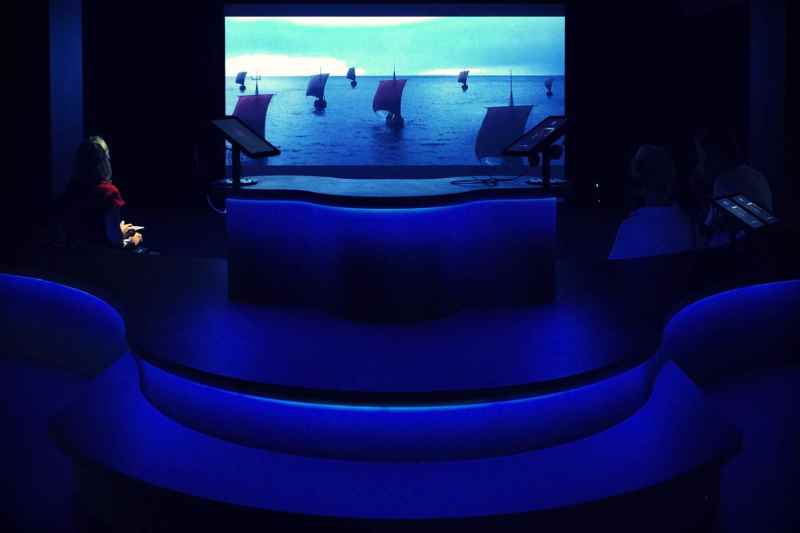
Instead of focusing mainly on archaeological objects, The Viking Planet uses virtual reality, digital displays, holograms and interactive exhibitions.
Visitors can explore Viking ships, learn about Norse mythology and discover stories about Viking society through multimedia experiences.
One of the main attractions is its VR experience, which allows visitors to feel as though they’re stepping into a Viking adventure.
The museum also offers interactive activities and digital exhibits suitable for a wide range of visitors.
How to visit The Viking Planet
Location: Fridtjof Nansens plass 4, Oslo.
The museum is conveniently located in the city centre, opposite Oslo City Hall.
It’s easy to combine with other attractions, including Akershus Fortress and the waterfront.
Opening hours:
- September to June: daily, 10 AM–6 PM.
- July and August: daily, 9 AM–7 PM.
Special holiday schedules may apply.
Admission (published 2026 prices):
- Adults aged 12 and over: 285 NOK.
- Children aged 6–11: 175 NOK.
- Museum and VR game combination: 475 NOK.
The museum recommends allowing approximately 1.5–2 hours for a complete visit.
Some VR activities are not recommended for children under 12.
Best for: interactive experiences, virtual reality and families visiting Oslo.
Official website: The Viking Planet
Which Viking Museum Should You Visit in Norway?
The best Viking attraction depends on your itinerary and the kind of experience you’re looking for.
| Attraction | Location | Best for |
|---|---|---|
| Njardarheimr | Gudvangen | Living history and hands-on activities |
| Avaldsnes Viking Farm | Haugesund area | Viking kings and historical festivals |
| Kaupang Viking Town | Larvik | Archaeology and Viking trade |
| Museum of the Viking Age | Oslo | Original Viking ships — reopening planned |
| Lofotr Viking Museum | Lofoten | Reconstructed longhouse and Viking feasts |
| Midgard Viking Centre | Horten | Burial mounds and Viking history |
| Viking House | Stavanger | Virtual reality storytelling |
| The Viking Planet | Oslo | Digital and interactive exhibitions |
For an immersive experience, Njardarheimr and Lofotr Viking Museum are excellent choices. Both allow visitors to explore reconstructed Viking environments and learn through practical activities.
If you’re more interested in archaeology, Kaupang and Midgard offer fascinating insights into Viking settlements and burial traditions.
Travelling with children? The Viking Planet and Lofotr offer interactive experiences that can make history particularly engaging.
And if you’re planning to visit Oslo, keep an eye on the new Museum of the Viking Age, which is expected to become one of the country’s most important cultural attractions.
When Is the Best Time to Visit Norway’s Viking Museums?
Summer, from June to August, is generally the best time to visit Viking attractions in Norway, especially those with outdoor activities.
During this period, reconstructed villages, historical sites and open-air museums usually offer their widest range of activities.
It’s also when Viking festivals and cultural events are most likely to take place.
However, several museums are open outside the summer season, including The Viking Planet in Oslo and Midgard Viking Centre.
If you’re travelling in autumn or winter, check the official websites before planning your visit. Some attractions operate on reduced schedules, while others require advance arrangements.
Whether you’re interested in Viking ships, Norse mythology or everyday life more than 1,000 years ago, these museums offer a fascinating way to discover an important part of Norway’s cultural heritage.