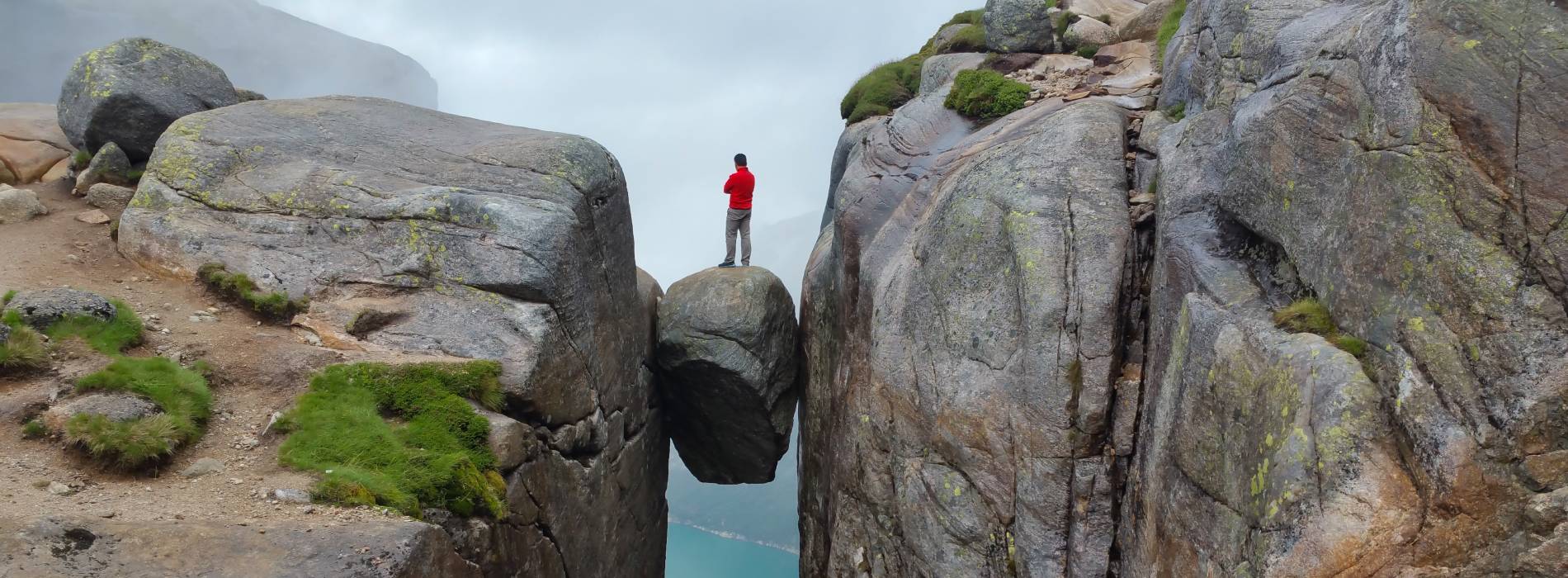
Preikestolen Hike in Norway: Everything You Need to Know
Preikestolen Hike in Norway: Everything You Need to Know
Preikestolen, also known as Pulpit Rock, is one of the most famous hikes in Norway. You’ve probably seen pictures of its incredible cliff, rising high above the turquoise waters of Lysefjord.
It’s one of those places that looks almost unreal, and the views from the top are even more impressive in person.
Located near Stavanger, in southwestern Norway, Preikestolen has become one of the country’s most popular natural attractions.
But how difficult is the hike? How long does it take? And what’s the easiest way to get there from Stavanger?
In this guide, you’ll find everything you need to plan your Preikestolen hike, including the route, parking, transport options, the best time to visit and practical tips.
Preikestolen Hike at a Glance
| Location | Rogaland, near Stavanger |
|---|---|
| Distance | 8 km round trip |
| Duration | 4–5 hours |
| Difficulty | Moderate |
| Elevation gain | Approximately 500 metres |
| Cliff height | 604 metres above Lysefjord |
| Best season | May to October |
| Starting point | Preikestolen BaseCamp |
| Entrance fee | Free; parking and transport are paid |
What Is Preikestolen?
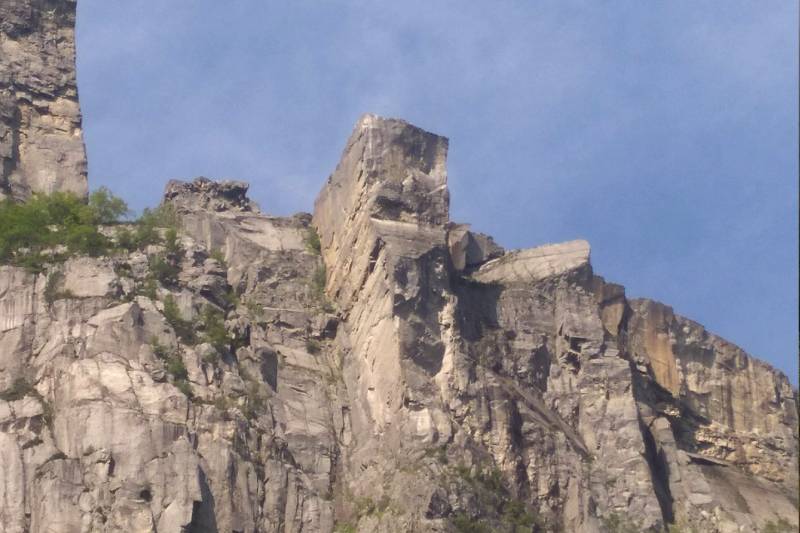
Preikestolen photographed from Lysefjord.
Preikestolen is a dramatic cliff rising 604 metres above Lysefjord, one of the most beautiful fjords in southwestern Norway.
Its name means Pulpit Rock in English, referring to the unusual shape of its almost flat summit.
The rock formation ends in a natural platform measuring approximately 25 × 25 metres, with steep vertical cliffs dropping towards the fjord.
Standing on top, you’ll enjoy panoramic views of Lysefjord, the surrounding mountains and the dramatic landscape of the Ryfylke region.
The combination of its extraordinary location and relatively accessible hiking trail has made Preikestolen one of Norway’s most recognisable landmarks.
Where Is Preikestolen?
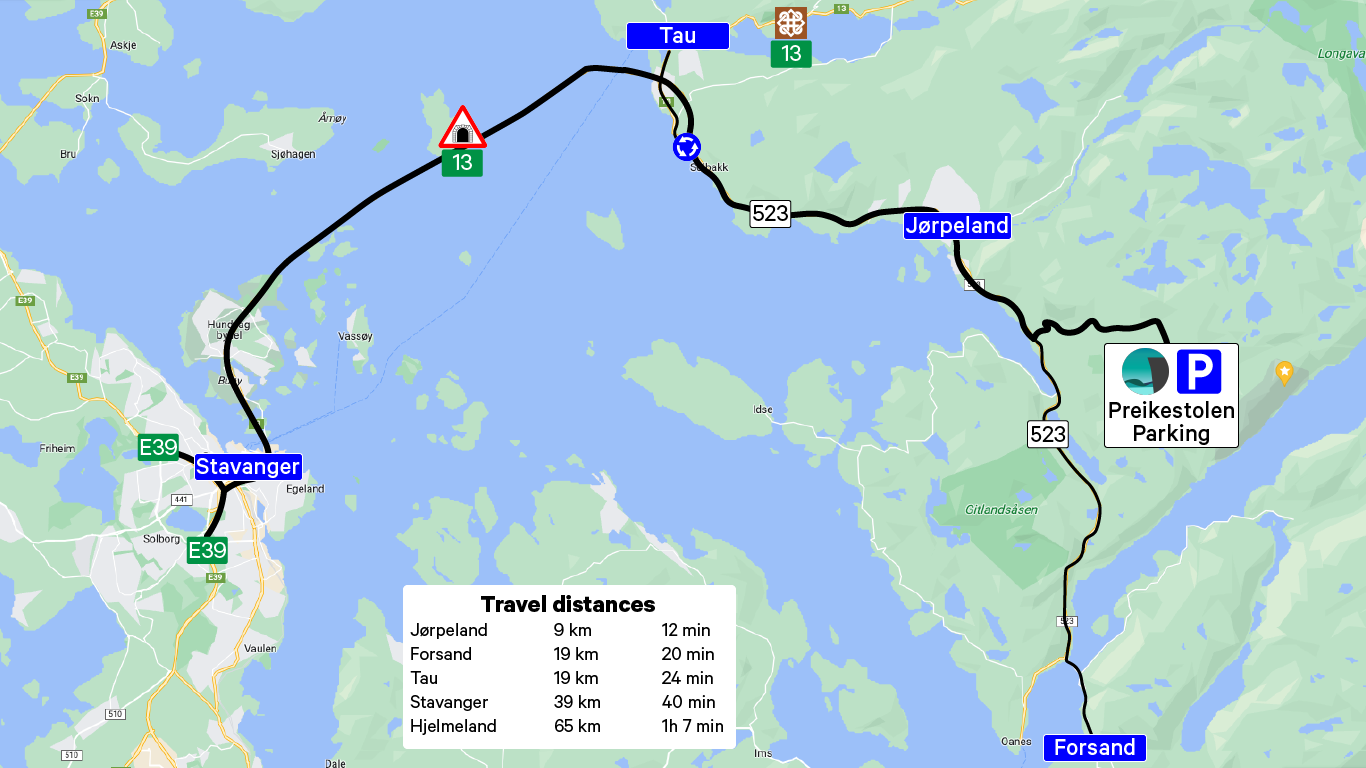
Source: Preikestolen365.
Preikestolen is located in Rogaland, southwestern Norway, approximately 40 kilometres from Stavanger by road.
The nearest town is Jørpeland, and the hike starts at Preikestolen BaseCamp, where you’ll find parking, accommodation and visitor facilities.
Stavanger is the most convenient base for visiting the area, especially if you’re travelling without a car.
You can combine your hike with a visit to the city’s historic centre, harbour and nearby attractions.
Discover the best things to do in Stavanger
View Preikestolen BaseCamp on Google Maps
What Is the Preikestolen Hiking Trail Like?
The Preikestolen hike is a moderately challenging mountain trail covering approximately 8 kilometres there and back.
The route includes forest paths, rocky sections, stone stairways and open mountain landscapes.
Although the trail is well-marked and maintained, it’s not an easy walk. Some sections are steep, and the terrain can become slippery when wet.
Here’s what to expect along the way.
Stage 1: Starting at Preikestolen BaseCamp
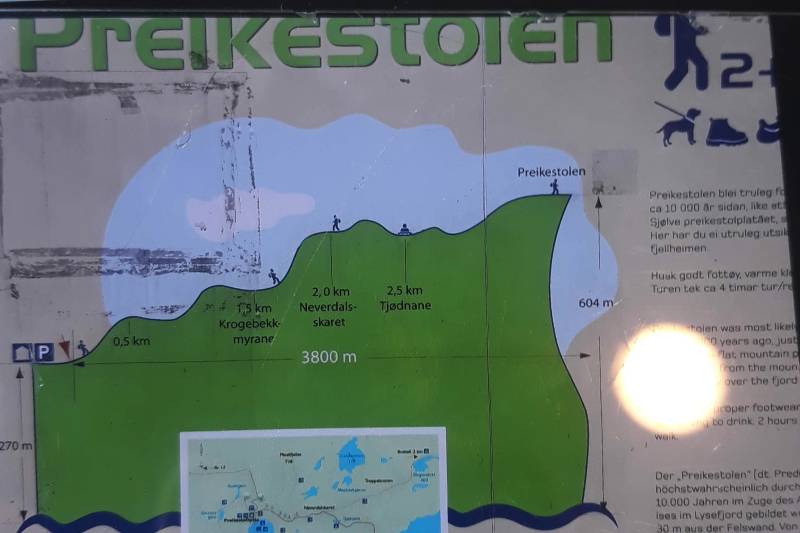
The hike begins at the official parking area beside Preikestolen BaseCamp.
The first section takes you through woodland, with a steady uphill climb.
You’ll find stone steps built by Nepalese Sherpas, who helped improve the trail to make it safer and more accessible for visitors.
This first climb can feel demanding, especially if you’re not used to hiking.
However, there are several places where you can stop and catch your breath.
Stage 2: Mountain Lakes and Open Landscapes
After the initial climb, the trail becomes more varied.
You’ll cross open rocky areas and walk past small mountain lakes surrounded by beautiful scenery.
Some sections are relatively flat, giving you a chance to recover before the final ascent.
This is one of the most enjoyable parts of the hike, especially on clear days when the surrounding mountains are reflected in the water.
Stage 3: The Final Ascent
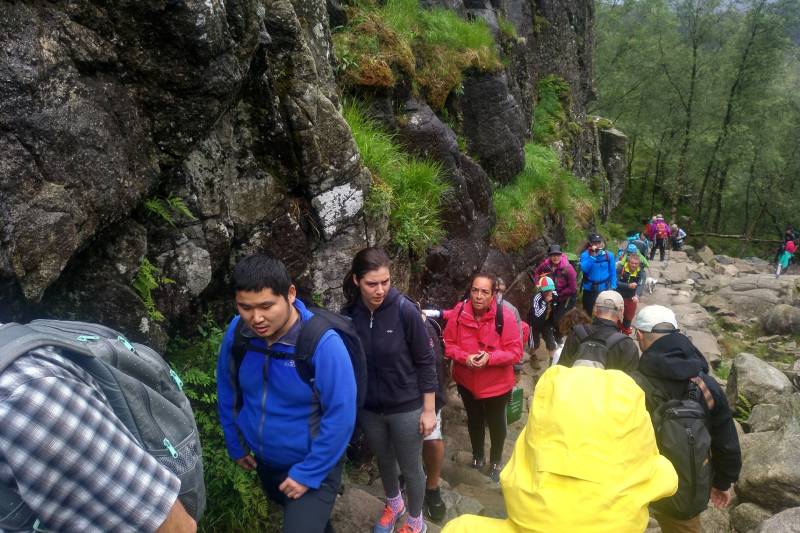
As you approach Preikestolen, the landscape becomes more exposed and rocky.
The final sections include uneven surfaces and some steep climbs, so take your time and watch your footing.
You’ll also start to catch glimpses of Lysefjord between the mountains.
The scenery becomes increasingly impressive as you get closer to the summit.
Stage 4: Reaching Pulpit Rock
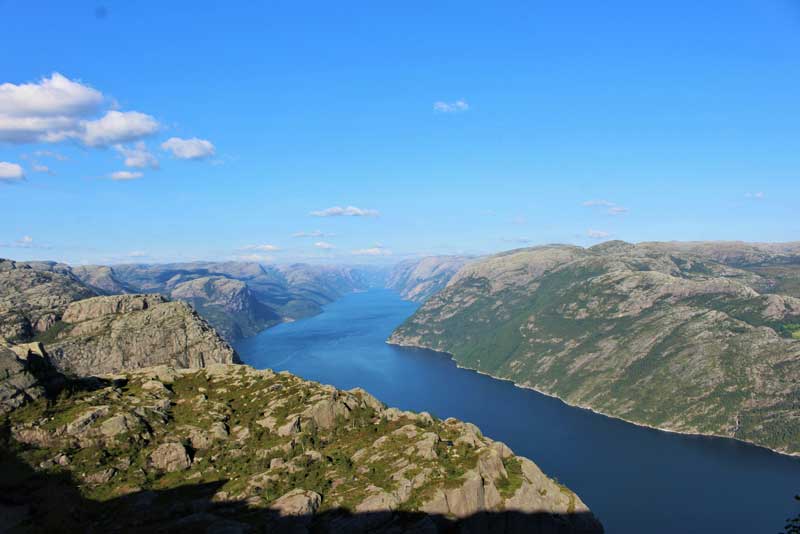
The spectacular landscape of Lysefjord.
Finally, you’ll reach the famous Preikestolen plateau.
From here, you can enjoy one of the most spectacular views in Norway, with Lysefjord stretching between towering mountains far below.
Take some time to enjoy the scenery, take photographs and rest before starting your descent.
Remember that there are no safety railings around the edge of the plateau, so keep a safe distance from the cliff.
How Long Does It Take to Hike Preikestolen?
Most visitors complete the 8-kilometre round trip in approximately 4 hours.
However, I’d recommend allowing 4–5 hours, especially if you want to stop for photographs, enjoy the views and take a break at the summit.
Your hiking time will depend on several factors:
- Physical fitness: the uphill sections can be tiring if you’re not used to mountain hiking.
- Weather conditions: wet rocks, strong winds or snow can slow you down.
- Crowds: during summer, some narrow sections become busy.
- Breaks: you’ll probably want to stop several times to enjoy the scenery.
The return journey follows the same trail.
Although going downhill might seem easier, the rocky steps can be demanding on your knees and require careful footing.
If you don’t exercise regularly or have little hiking experience, allow extra time and don’t underestimate the route.
When Is the Best Time to Hike Preikestolen?
The best time to hike Preikestolen is generally between May and October, when the trail is more likely to be free of snow and ice.
However, conditions can vary considerably depending on the month.
Summer: June to August
Summer is the most popular time to visit.
The days are long, temperatures are generally milder and you’ll have plenty of daylight to complete the hike.
However, this is also when the trail gets busiest.
If you want to avoid the crowds, consider starting before 8 AM or later in the afternoon, provided you have enough daylight for the return journey.
Weekdays are usually quieter than weekends.
Spring and Autumn: May, September and October
These months can be excellent alternatives if you prefer fewer visitors.
The landscape is beautiful, and the weather may still be suitable for hiking.
However, temperatures are lower, daylight hours are shorter and parts of the trail may be slippery.
Always check the latest conditions before heading out.
Winter: November to April
Preikestolen can be reached during winter, but the hike becomes considerably more challenging.
Snow, ice, strong winds and freezing temperatures can make the trail dangerous.
If you’re not experienced in winter mountain hiking, joining a guided tour is strongly recommended.
You may also need equipment such as microspikes or crampons, warm layers and a headlamp.
For most first-time visitors, summer or early autumn is a better choice.
How to Get to Preikestolen from Stavanger by Car
Driving is one of the easiest ways to reach the Preikestolen trailhead.
From Stavanger, follow the E39 and E13 towards the Ryfylke Tunnel (Ryfylketunnelen), which runs beneath the sea.
After exiting near Solbakk, continue towards Jørpeland and follow Road 523.
Approximately three kilometres after Jørpeland, follow the signs for Preikestolen Parking.
The journey from Stavanger takes around 45–60 minutes, depending on traffic and your starting point.
Where to Park at Preikestolen
There are two official parking areas:
- P1 – Preikestolen Parking: the main parking area, beside the trailhead and visitor facilities.
- P2 – Moslimyrå: an additional parking area used when P1 becomes busy.
Together, the parking areas can accommodate approximately 1,000 cars.
Parking price: As of 2026, the fee for a car staying longer than two hours is 275 NOK.
You pay at the parking machines after your hike, before leaving.
The parking areas are open throughout the year, but they can become very busy during summer, especially between 8 AM and 4 PM.
If both are full, staff may ask drivers to wait until spaces become available.
Check the latest information on the official Preikestolen parking website.
How to Visit Preikestolen Without a Car
If you’re staying in Stavanger and don’t want to rent a car, several transport services make it possible to visit Preikestolen independently.
The most convenient option is usually a direct bus to the trailhead.
1. Go Fjords: Express Bus from Stavanger
Go Fjords offers a direct express bus service from central Stavanger to Preikestolen.
The journey takes approximately one hour.
Buses depart from the area around the Radisson Blu Atlantic Hotel, and return services are available after the hike.
The number of departures depends on the season, with more frequent connections during the summer months.
Tickets must be booked online in advance.
This is a convenient option if you want to complete the hike independently without worrying about driving or parking.
2. Pulpit Rock Tours: Bus Transfers to the Trailhead
Pulpit Rock Tours also provides transport between Stavanger and Preikestolen BaseCamp.
Depending on the timetable, services may include departures from Stavanger, Jørpeland and Forsand.
The buses take you directly to the starting point of the hiking trail and pick you up after your visit.
Several departures operate during the main season, giving you some flexibility when planning your hike.
It’s important to book your tickets in advance and check the return timetable.
Good to know: Tickets from different bus operators are not interchangeable, so make sure you use the correct company for your return journey.
3. Lysefjord Cruise and Preikestolen Hike with Rødne
If you have a full day available, combining a Lysefjord cruise with the Preikestolen hike is one of the most complete experiences you can enjoy in the Stavanger region.
Rødne Fjord Cruise offers a combination excursion that includes a scenic boat trip through Lysefjord and transport to the hiking trail.
The experience begins in central Stavanger, where you board a sightseeing boat.
During the cruise, you’ll enjoy views of the fjord’s towering cliffs, waterfalls and famous landmarks.
One of the highlights is seeing Preikestolen from the water, looking up at the enormous cliff you’ll later climb.
After the cruise, a bus takes you from Forsand to Preikestolen BaseCamp.
You then complete the hike independently before returning to Stavanger by bus.
The full excursion takes approximately 8–9 hours.
This is a great option if you want to experience Lysefjord from two completely different perspectives: from the water and from the top of the cliff.
The tour normally operates from May to October. Departure times and prices vary by season, so check the current details before booking.
Is the Preikestolen Hike Dangerous?
Preikestolen is a well-maintained and clearly marked trail, but it is still a mountain hike that requires preparation.
The main challenges are the steep sections, uneven rocks and unpredictable weather.
Rain can make the trail slippery, while snow and ice can create dangerous conditions outside the main hiking season.
The summit also has no safety railings, so it’s important to be cautious near the cliff edge.
If you’re travelling with children, keep them close at all times, particularly on exposed sections.
People with a strong fear of heights may find the summit uncomfortable.
For hikers with reasonable fitness, appropriate equipment and suitable weather conditions, the route is generally manageable.
However, you should always be prepared to turn back if conditions become unsafe.
What Should You Bring for the Preikestolen Hike?
You don’t need specialist climbing equipment during normal summer conditions, but wearing the right clothing and carrying a few essentials will make the hike much more comfortable.
- Hiking boots or shoes with good grip: the trail includes rocky and uneven surfaces.
- Waterproof jacket: mountain weather can change quickly, even during summer.
- Warm layers: temperatures at the summit can be lower than in Stavanger.
- Water and snacks: bring enough for the entire hike.
- Small backpack: useful for carrying extra clothing, food and personal items.
- Fully charged phone: download your route map before setting off.
- Sun protection: sunglasses and sunscreen are useful on clear summer days.
If you’re hiking outside the main season, you may also need additional equipment such as microspikes, warm gloves and a headlamp.
Are There Toilets Along the Trail?
There are toilets and visitor facilities at Preikestolen BaseCamp, near the starting point.
However, there are no toilets, food services or rubbish bins along the hiking trail.
Use the facilities before starting and take all your rubbish back with you.
You can also find information, food and hiking equipment at the BaseCamp visitor area.
Practical Tips Before Your Visit
A little planning will help you get the most out of your Preikestolen hike.
Check the weather forecast. Clear skies offer the best views of Lysefjord, but mountain conditions can change quickly. Avoid hiking during severe weather.
Start early during summer. Preikestolen is extremely popular, and the trail can become crowded during the middle of the day.
Allow enough time. Don’t plan your return transport too close to your expected finishing time. You may need longer than anticipated.
Download the trail map. Mobile reception may vary in mountainous areas, so it’s useful to have the route available offline.
Stay on the marked path. Avoid shortcuts and respect the surrounding environment.
Don’t take unnecessary risks for photographs. The famous cliff has no railings, and getting too close to the edge can be dangerous.
For official trail information, maps and current conditions, visit Preikestolen365.
Is Preikestolen Worth Visiting?
Absolutely, especially if you enjoy hiking and spectacular natural landscapes.
The Preikestolen hike combines beautiful mountain scenery with one of the most impressive viewpoints in Norway.
Although the trail requires some effort, the reward is unforgettable: standing high above Lysefjord, surrounded by mountains and one of the country’s most extraordinary landscapes.
If you’re staying in Stavanger, it’s one of the best day trips you can organise.
And if you have time, combining the hike with a cruise through Lysefjord makes the experience even more special.
Just remember to check the weather, wear suitable hiking shoes and allow enough time to enjoy the journey.
Preikestolen is one of those places that really deserves its reputation.