8 Best Things to See and Do in Austevoll, Norway
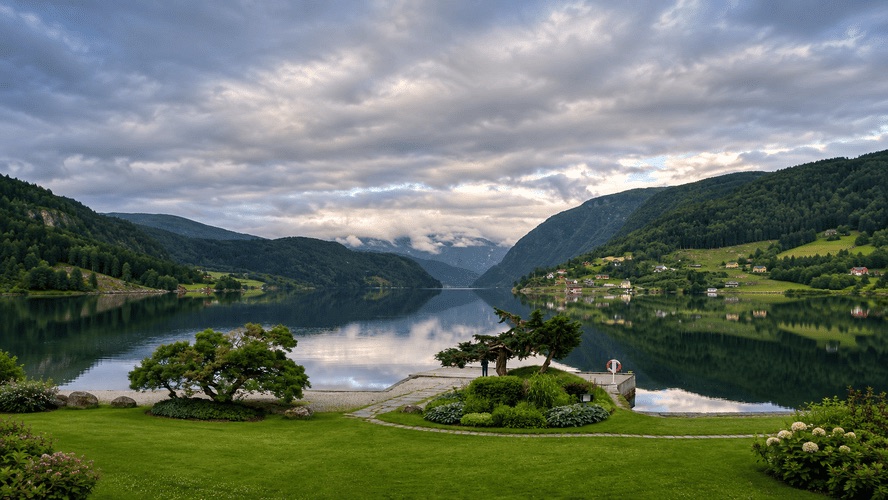
Austevoll is an archipelago located south of Bergen, in Norway’s Vestland region. It consists of 667 islands and islets, with small fishing villages, coastal heathlands, rocky shores and narrow sea channels.
Its main islands, including Huftarøy, Selbjørn and Stolmen, are connected by bridges, while some of the smaller islands can only be reached by boat. This geography has shaped the municipality’s history, which is closely connected to fishing, sailing and, more recently, aquaculture.
Among its main attractions are Bekkjarvik harbour, the panoramic views from Kongsfjellet, Marstein Lighthouse and the islands of Møkster and Stolmen.
Unlike Norway’s more popular fjord destinations, Austevoll offers an experience focused on coastal life, local food and outdoor activities.
Here are 8 places to see and things to do in Austevoll, along with practical tips to help you plan your visit.
1. Explore Storebø, the Centre of Austevoll
Storebø is Austevoll’s main town and administrative centre. Located on the island of Huftarøy, it has a small harbour, shops, restaurants and some of the municipality’s main services.
Although it’s a quiet town, it’s a good starting point for exploring the archipelago, especially if you’re arriving by ferry from Bergen.
It’s worth visiting Storebø Brygge marina, where you’ll find waterfront walking areas, restaurants and places to enjoy the maritime surroundings.
There’s also a small swimming area nearby. If you prefer an indoor pool, Austevollbadet has facilities for both adults and children.
Austevoll Church
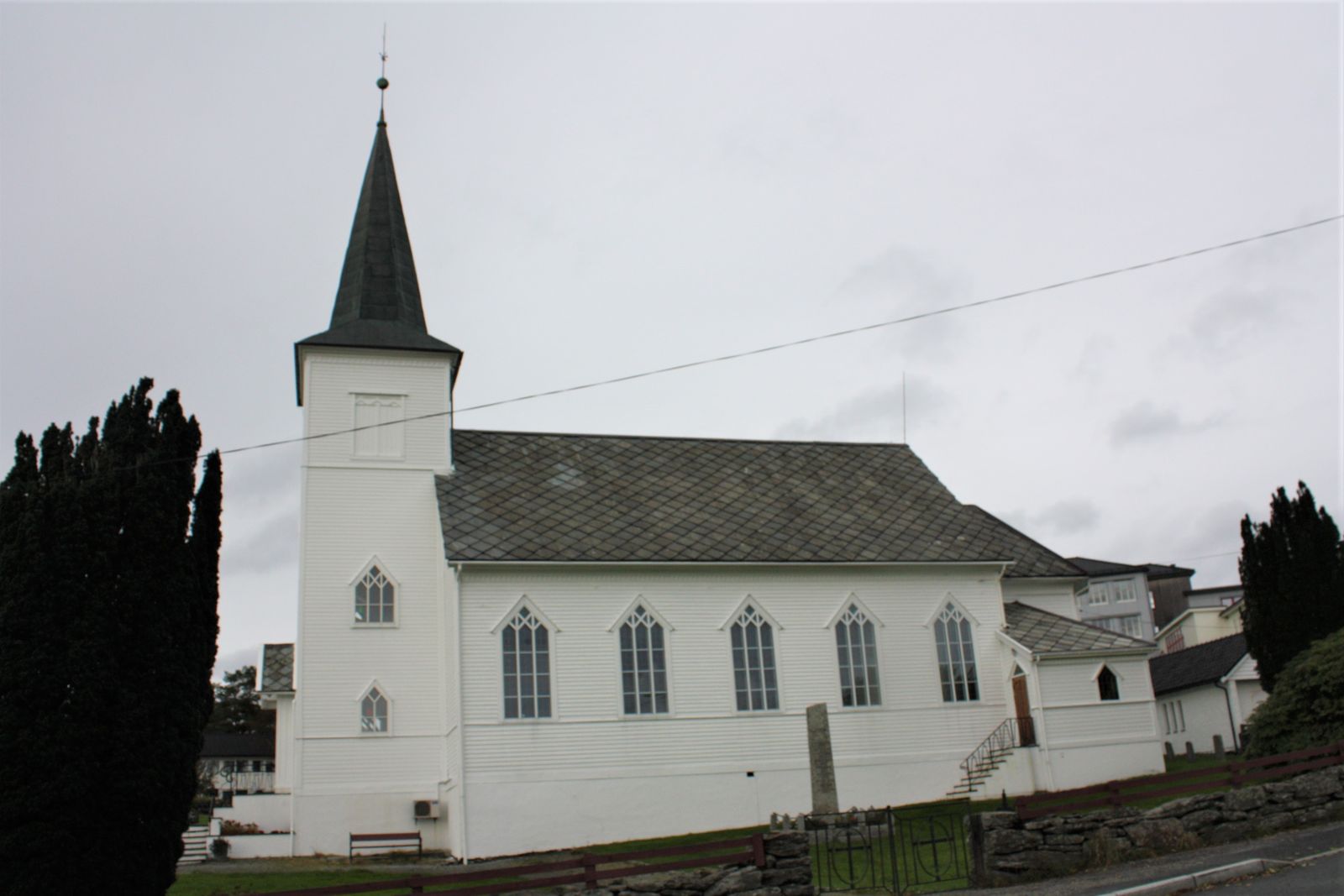
One of Storebø’s most important historical buildings is Austevoll Church (Austevoll kyrkje), a wooden church built between 1890 and 1891.
It was designed by architect Hans Heinrich Jess, who also designed Manger Church in Alver.
The building combines Neo-Gothic elements with influences from the Swiss chalet style, which was popular in Norwegian architecture during the late 19th century.
Its white façade, bell tower and surrounding cemetery make it one of the town’s most recognisable landmarks.
The present church replaced earlier buildings that had served Austevoll’s communities since the Middle Ages.
Although you can admire the exterior throughout the year, access to the interior depends on opening hours and religious services.
Storebø Millennium Park
In the centre of Storebø, you’ll find Millennium Park, a public green space located between the former parsonage and the school.
It has grassy areas and playgrounds, making it a good place to stop if you’re visiting Austevoll with children.
The former parsonage has been restored and now houses the Casa Mia restaurant.
Hufthamartunet: Traditional Norwegian Farm Buildings
North of Storebø, near the Hufthamar ferry terminal, lies Hufthamartunet, a small collection of historic buildings that shows what traditional farms in Austevoll looked like.
One of its most interesting buildings is a 17th-century house originally used as a røykstue, a traditional home heated by a stone fireplace.
These houses didn’t have conventional chimneys. Instead, smoke escaped through an opening in the roof.
The site also preserves other agricultural and domestic buildings that illustrate the development of traditional Norwegian rural architecture.
It’s an interesting place to discover local heritage, although you should check access arrangements before visiting the interiors.
2. Discover Bekkjarvik, Its Historic Harbour and Local Food
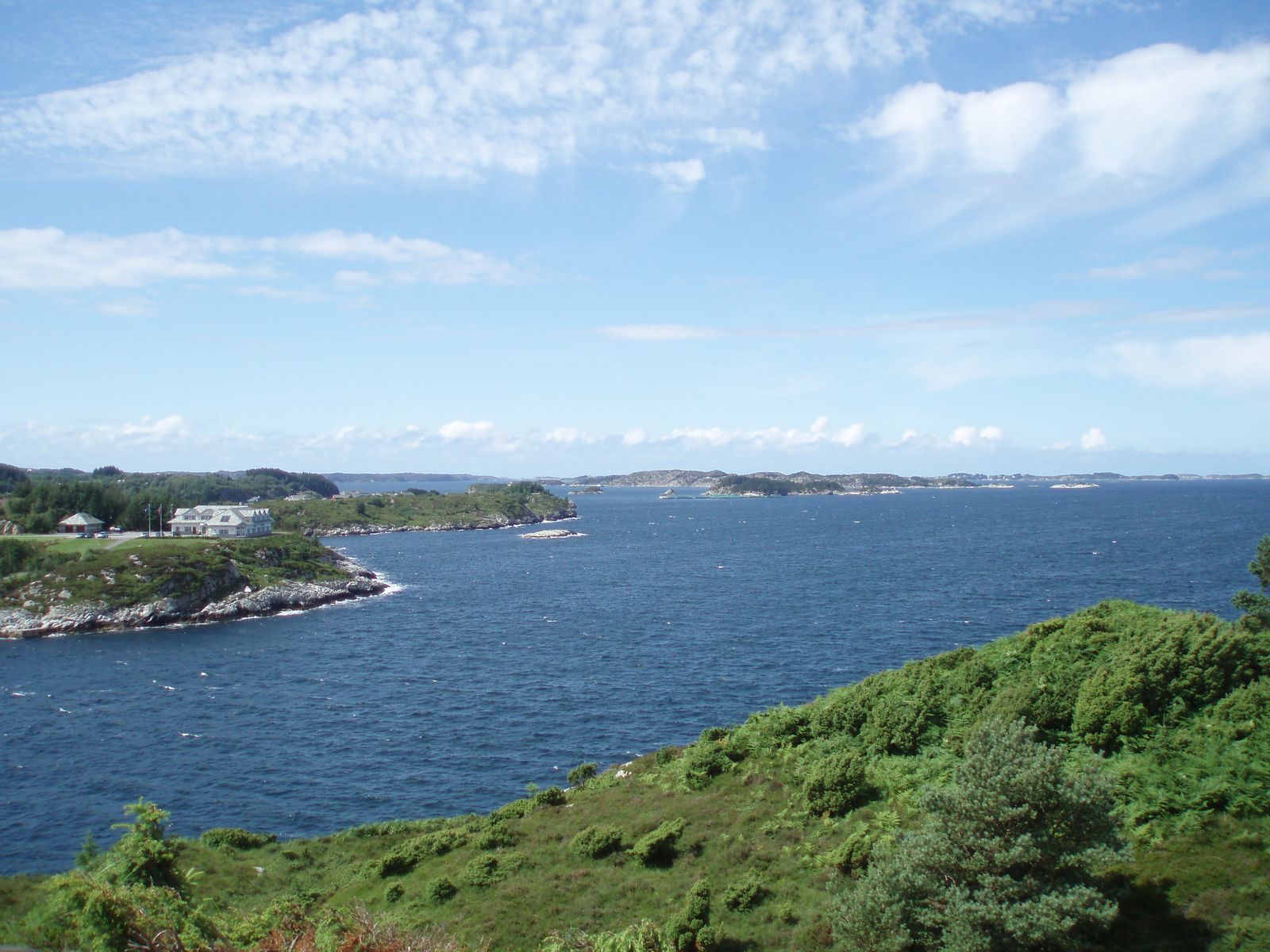
Bekkjarvik is one of Austevoll’s most picturesque villages. It’s located on the island of Selbjørn, beside a narrow sea channel connecting it with the surrounding archipelago.
For centuries, Bekkjarvik was an important trading and fishing centre where seafood products, particularly herring, were stored and processed.
Today, its small harbour still preserves this traditional atmosphere, with fishing boats, old wooden warehouses and historic buildings alongside restaurants, shops and accommodation.
The village centre is easy to explore on foot, and it’s worth spending some time walking along the harbour and nearby streets.
Bekkjarvik Gjestgiveri
One of the village’s most recognisable buildings is Bekkjarvik Gjestgiveri, a historic inn dating back to the late 17th century.
For more than three centuries, it has welcomed travellers and sailors exploring Norway’s western coast.
Today, it continues to operate as a hotel and restaurant, preserving much of its historic character.
Local cuisine plays an important role here, with dishes prepared using fish, seafood and other traditional ingredients from the islands.
Mirabelle: A Michelin-Starred Restaurant
Bekkjarvik has also become a food destination thanks to chef Ørjan Johannessen, winner of the Bocuse d’Or in 2015.
His restaurant, Mirabelle by Ørjan Johannessen, located on the upper floor of Beckerwyc House hotel, received a Michelin star on June 1, 2026.
The restaurant’s cuisine is inspired by seafood and Austevoll’s culinary traditions, combining local ingredients with contemporary cooking techniques.
If you’d like to enjoy this experience, booking in advance is recommended.
The Historic Park and Nothengja
Near the harbour, there’s a park covering more than two hectares, with gardens, walking paths and small ponds.
The park preserves Løo, an old barn now used for celebrations and cultural activities.
Another important building is Nothengja, a wooden structure originally used to dry the cotton fishing nets of local fishermen.
Today, it serves as a venue for concerts and events, preserving part of Bekkjarvik’s maritime heritage.
Nearby, you’ll also find Raugholmen, one of the geological sites included in the Sunnhordland UNESCO Global Geopark.
Things to Do in Bekkjarvik
Besides exploring the village, you can take advantage of its location to enjoy several activities:
- Kayaking and paddleboarding: Explore the small bays and sea channels surrounding Selbjørn.
- Boat trips: Sail between the islands or join organised fishing excursions.
- Seaside sauna: Enjoy one of Norway’s traditional wellness experiences.
- Hiking: Climb to Kongsfjellet viewpoint above the village.
You can check available activities on the official Visit Austevoll website.
3. Climb Kongsfjellet via the Kongskleiva Stone Steps
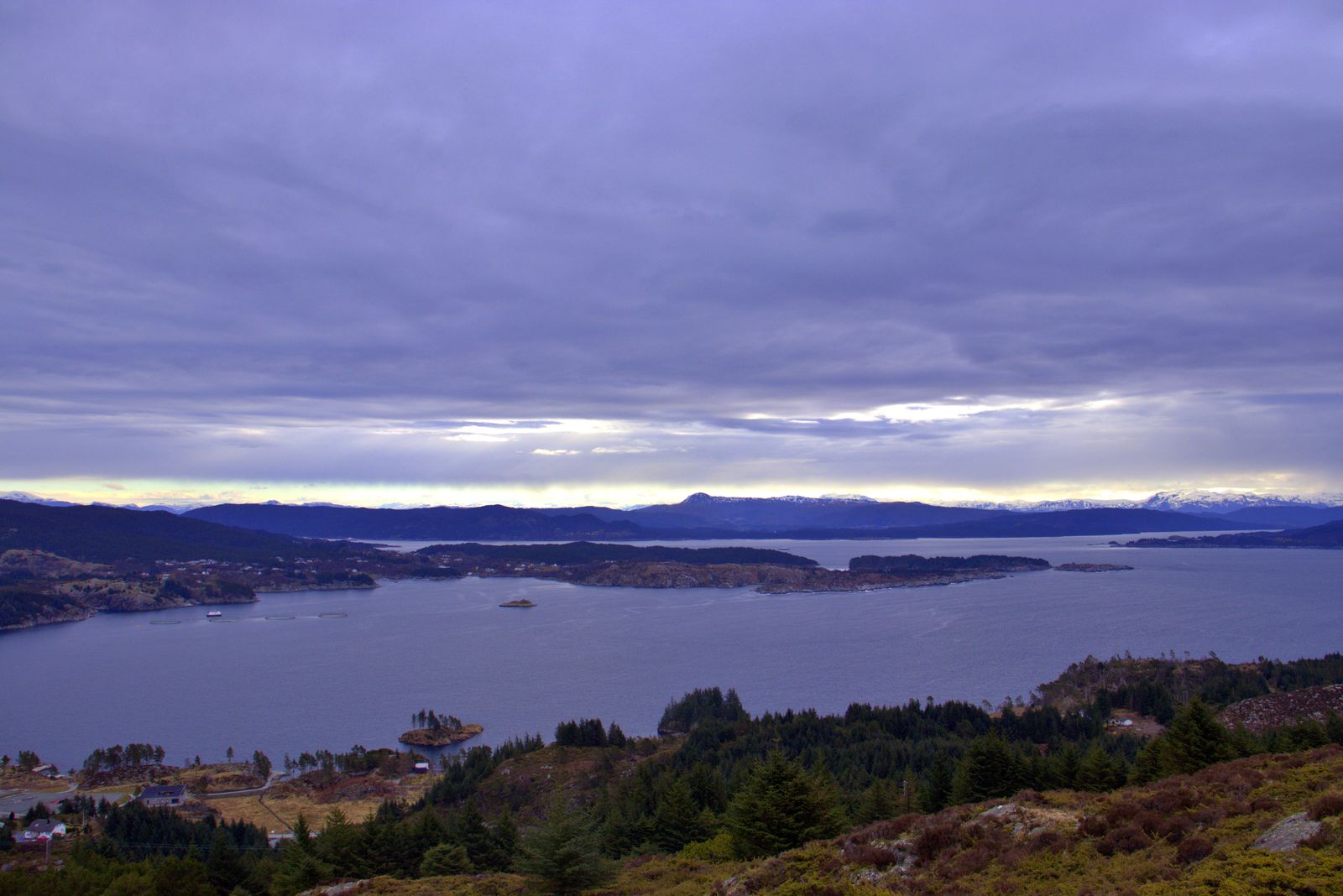
Kongsfjellet is one of the best viewpoints in Austevoll, located 185 metres above sea level, overlooking Bekkjarvik.
The most popular way to reach the summit is by following Kongskleiva, also known locally as Kongsen.
The trail crosses coastal heathlands, small forests and rocky terrain, offering increasingly beautiful views of the archipelago as you climb.
Its most distinctive feature is a stone staircase built by Nepalese Sherpas and completed in 2024.
The staircase is approximately 970 metres long and makes much of the climb easier and safer.
What to See from the Summit
Once you reach Kongsfjellet, you’ll enjoy panoramic views of Austevoll’s islands, narrow sea channels and mountains rising in the distance.
You can also see the aquaculture facilities in the water, an important part of the municipality’s economy.
According to an old local legend, a king is buried at the summit. In fact, several Bronze Age burial mounds have been found on the mountain.
Practical Hiking Information
The route starts in Bekkjarvik and passes near Selbjørn School before reaching the stone steps.
The hike is approximately 3.5 kilometres round trip and takes around one hour or slightly longer, depending on your pace and how often you stop.
It’s classified as an easy hike, although the steps and continuous uphill climb require some physical effort.
It’s a good option for families who are used to walking.
You can find information about access and the trail on Bekkjarvik’s tourism website.
Austevoll’s Traditional Sheep
During your walk, you may see villsau, a traditional breed of sheep that has lived along Norway’s coast for more than a thousand years.
These animals spend much or all of the year outdoors, grazing on the vegetation of the coastal heathlands.
Their grazing helps preserve the open landscape by preventing shrubs and trees from taking over.
You can also see them in other areas of Huftarøy and Selbjørn, especially near hiking trails and farmland.
On the western side of Selbjørn, Steinevik Nature Reserve protects some of these traditional heathland and peatland landscapes.
4. Explore Stolmen Island and Visit the Globen Monument
Stolmen is one of Austevoll’s southernmost islands, connected to Selbjørn by Stolmasundet Bridge, which opened in 1998.
Its landscape is typical of Norway’s outer coast, with low hills, heathlands, rocky areas and numerous bays facing the North Sea.
The island has a long fishing tradition and offers several interesting places for travellers who want to discover a quieter part of the archipelago.
Globen: The 60th Parallel Monument
One of Stolmen’s main attractions is Globen, an illuminated monument marking the 60th parallel north.
It’s located in a coastal area where German forces installed radar and maritime surveillance equipment during the Second World War.
Some remains of these installations can still be seen beside the Nordsjøløypa coastal trail.
The monument can be reached by a short, maintained walking path crossing the island’s open landscape.
From the parking area, the walk is less than one kilometre with very little elevation gain, making it an easy excursion.
Beside the monument, you’ll find a bench where you can enjoy views of the ocean and surrounding small islands.
Kvalvåg: A Historic Trading Harbour
Also on Stolmen is Kvalvåg, a small coastal settlement that received trading rights in 1731.
For centuries, it served as a place where the region’s fishing communities exchanged goods.
Some traditional buildings remain, including warehouses and sheds once used to store boats and fishing equipment.
Its small harbour, sheltered from the open sea, still preserves the atmosphere of Norway’s historic fishing villages.
If you visit Stolmen during summer, you may find cultural activities connected to the island’s maritime traditions.
Hiking Along the Nordsjøløypa Trail
If you’d like to spend more time exploring Stolmen, there’s a hiking route crossing the island between Årland and Kvalvåg.
The trail takes you through coastal heathlands, small ponds and rocky areas close to the ocean.
One of the marked options is a circular route of approximately 6 kilometres, taking between 1.5 and 2 hours.
Although there isn’t much elevation gain, some sections can be wet, so suitable walking shoes are recommended.
You can find more information about the route on Visit Norway.
5. Hike to Loddo and Relax at Adlesi Cabin
At 243 metres above sea level, Loddo is the highest mountain in Austevoll and one of the municipality’s most popular hiking destinations.
It’s located on the island of Huftarøy and offers panoramic views of the fjords, mountains and numerous islands that make up the archipelago.
Near the summit, you’ll find Adlesi, a day-trip cabin built as part of Vestland’s network of public mountain shelters.
Its name comes from the local dialect and means “everyone’s”, reflecting its community purpose.
Adlesi Day-Trip Cabin
Adlesi is located approximately 230 metres above sea level, in a natural setting with beautiful views of the coastal landscape.
The cabin has benches, a wood-burning stove and a small library with children’s books.
It’s designed as a place to rest, shelter from bad weather and enjoy a meal during a hike.
Overnight stays aren’t permitted, and visitors must take their rubbish with them and respect the cabin’s rules.
How to Get to Loddo
The recommended starting point is Åno car park, which can be reached from Hufthamar via roads 546 and 5144.
Several marked trails begin here and climb towards the mountain.
The routes pass along gravel tracks, forest paths and some steeper sections.
The distance to Adlesi is approximately 2 kilometres each way, with an estimated uphill walking time of one hour.
There are several possible routes, so you can choose the one that best suits your preferences and fitness level.
It’s easy to combine the hike with a visit to Storebø, as both are located on Huftarøy.
You can find route descriptions and access information on the official Vestland County Council website.
6. Discover Møkster, an Island Without Roads
Møkster is a small inhabited island west of Austevoll, surrounded by the North Sea and numerous islets.
Unlike Huftarøy, Selbjørn and Stolmen, Møkster isn’t connected to the other islands by road and doesn’t have a vehicle ferry.
This has helped preserve a particularly peaceful atmosphere, where people mainly get around on foot and everyday life remains closely connected to the sea.
When you arrive at the small harbour, you’ll find traditional fishing buildings, boats and wooden houses.
The island has a small shop, swimming areas and places to eat or stay overnight, although services may vary depending on the season.
Things to Do in Møkster
One of the best activities is simply walking around the island and enjoying its coastal scenery.
You’ll also find several natural attractions:
- Giant’s kettles: Rounded holes in the rock formed by the movement of water and sediment.
- Røyrvikeskaget: A geological site that’s part of the Sunnhordland UNESCO Global Geopark.
- Birdwatching: Austevoll’s waters and coastline are home to several seabird species, including white-tailed sea eagles.
- Swimming areas: Small beaches and sheltered coves where you can relax beside the sea during summer.
Møkster is particularly recommended for travellers looking for a peaceful excursion away from the busier parts of the archipelago.
How to Get to Møkster
The island is connected by passenger boats to several quays in Austevoll, including Storebø and Bekkjarvik.
Connections and stops may vary depending on the day of the week, and some services require advance booking.
It’s important to check both outbound and return timetables before travelling, as departures are limited.
If you want to explore the island at a relaxed pace, it’s worth spending most of a day here rather than combining it with other attractions that require long journeys.
You can check boat connections on Skyss.
7. Visit Marstein Lighthouse on the North Sea
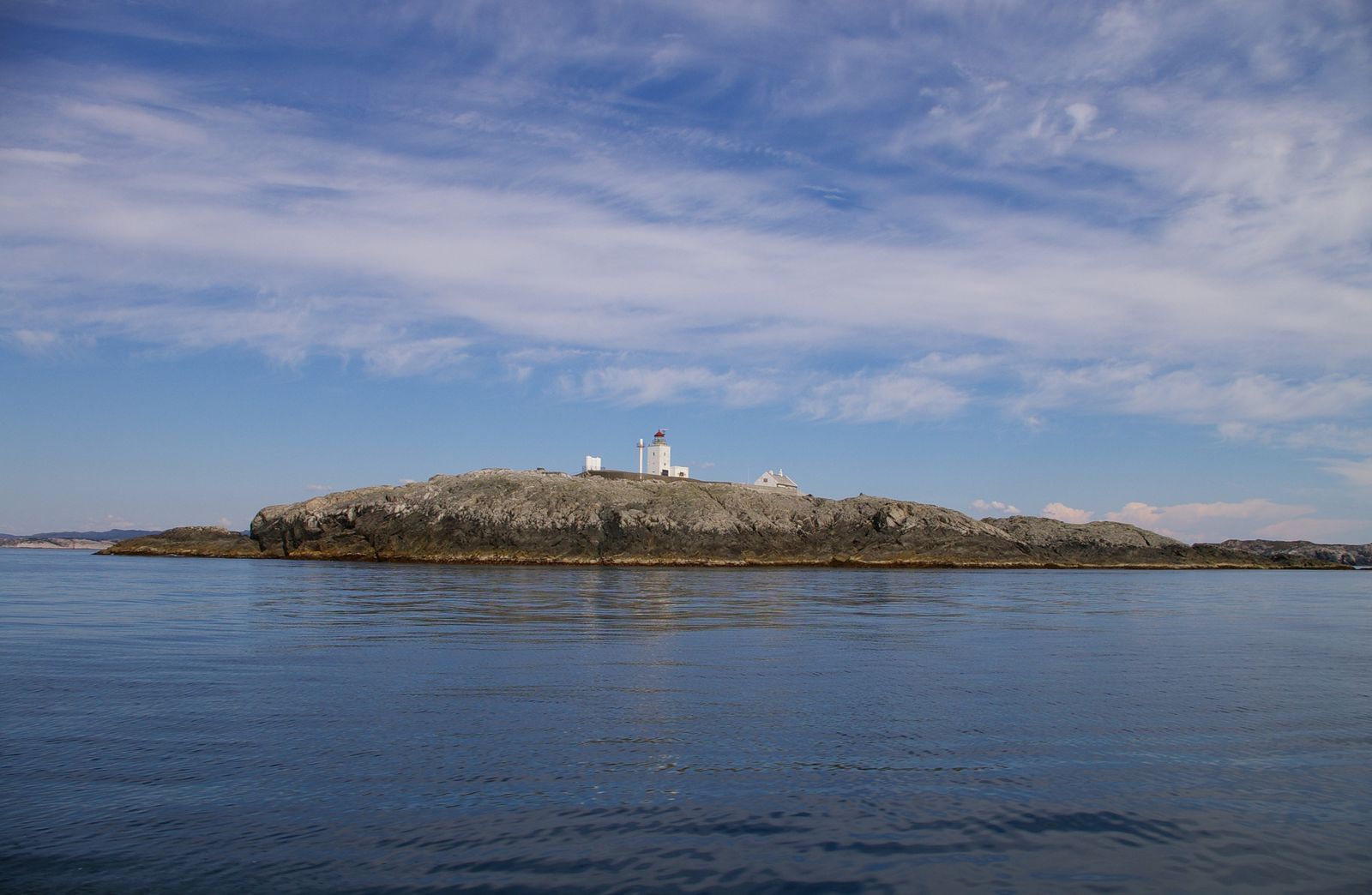
Marstein Lighthouse (Marstein fyr) is one of Austevoll’s most iconic landmarks and one of the best-known maritime structures along the coast near Bergen.
It’s located on a small rocky islet at the entrance to Korsfjorden, an area particularly exposed to waves and storms from the North Sea.
The first lighthouse began operating in 1877, helping ships navigate safely towards Bergen.
During the Second World War, the facilities suffered extensive damage and were later rebuilt.
The present tower dates from 1949 and is part of a group of white stone buildings that includes the former lighthouse keeper’s residence.
The lighthouse was automated in 1987, and permanent staffing ended in 2002.
A History Shaped by Storms
Because of its exposed location, Marstein has experienced some of the most powerful storms along Norway’s western coast.
In January 2005, Storm Inga caused serious damage to the breakwater and parts of the facilities.
After restoration work, the site reopened to visitors and is now also used as tourist accommodation and an event venue.
How to Visit Marstein Lighthouse
The only way to reach the lighthouse is by boat. There’s no road connection or regular ferry service to the islet.
Today, visitors can book tours and stay in the former lighthouse buildings, which have guest rooms and shared facilities.
Some experiences include boat excursions, group activities or overnight stays.
However, access depends entirely on sea conditions. Even in good weather, waves can sometimes make landing difficult.
For this reason, it’s best to book in advance and check the weather forecast before your excursion.
You can find available experiences on the official Marstein Lighthouse website.
8. Explore Austevoll’s Bridges and Fishing Heritage
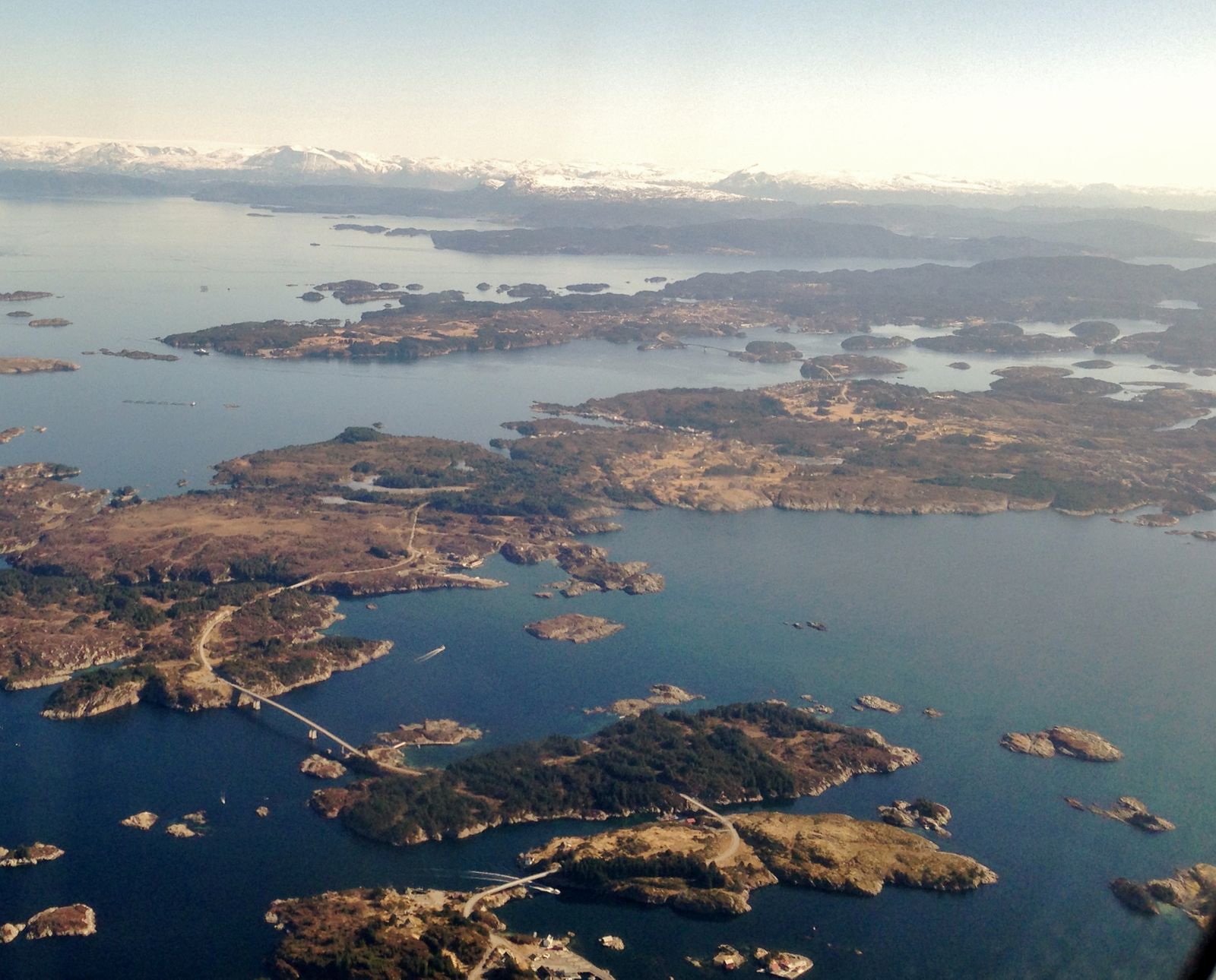
One of Austevoll’s most distinctive features is its network of roads and bridges, which makes it possible to travel between many of the municipality’s main islands.
Although there’s no fixed road connection to the mainland, the bridges have made travelling between the archipelago’s communities much easier.
Austevoll’s Main Bridges
Some of the most important connections include:
- Selbjørn Bridge: Opened in 1980, connecting Huftarøy and Selbjørn.
- Stolmasundet Bridge: Built in 1998, connecting Selbjørn with Stolmen.
- Bakkasund Bridge: Opened in 1999, connecting Hundvåko with Storekalsøy.
- Storholmen and Hundvåkøy Bridges: Opened in 2007, completing the road connection between Huftarøy and Hundvåko.
Driving along these roads is a great way to discover small villages, fishing harbours and coastal landscapes away from the usual tourist routes.
It’s also an interesting area to explore by bicycle, thanks to the relatively light traffic on many secondary roads.
Fishing and Aquaculture in Austevoll
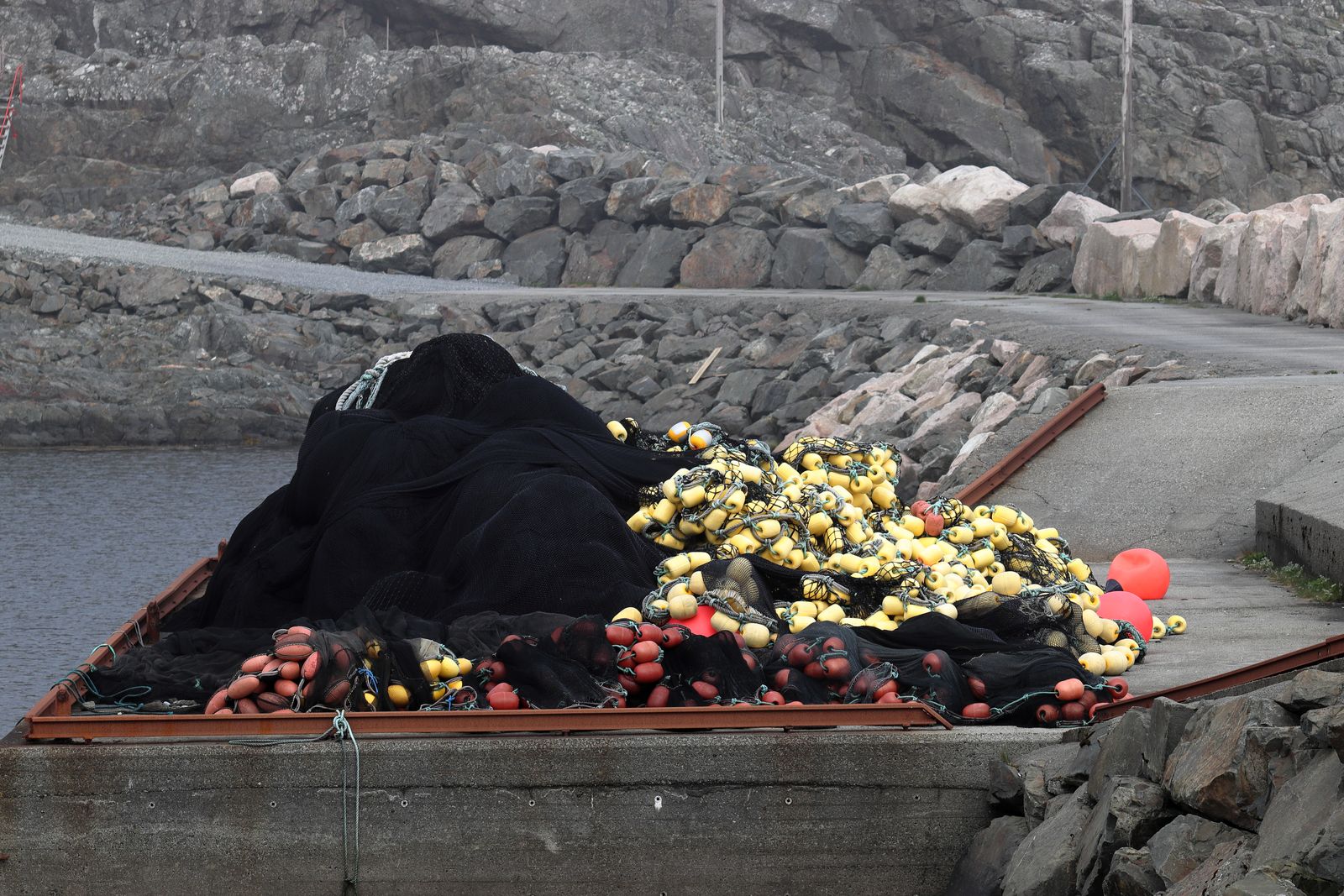
The municipality’s economy and identity have traditionally been closely connected to the sea.
Austevoll has an important fishing fleet and is one of Norway’s main aquaculture centres, particularly for salmon production.
As you explore the islands, you’ll see working fishing boats, fish farms and small harbours where fishing activities still take place.
Maritime companies such as Austevoll Seafood and DOF have their headquarters in Storebø, reflecting the continued importance of this industry to the local economy.
Traditional Boathouses in Vasseide
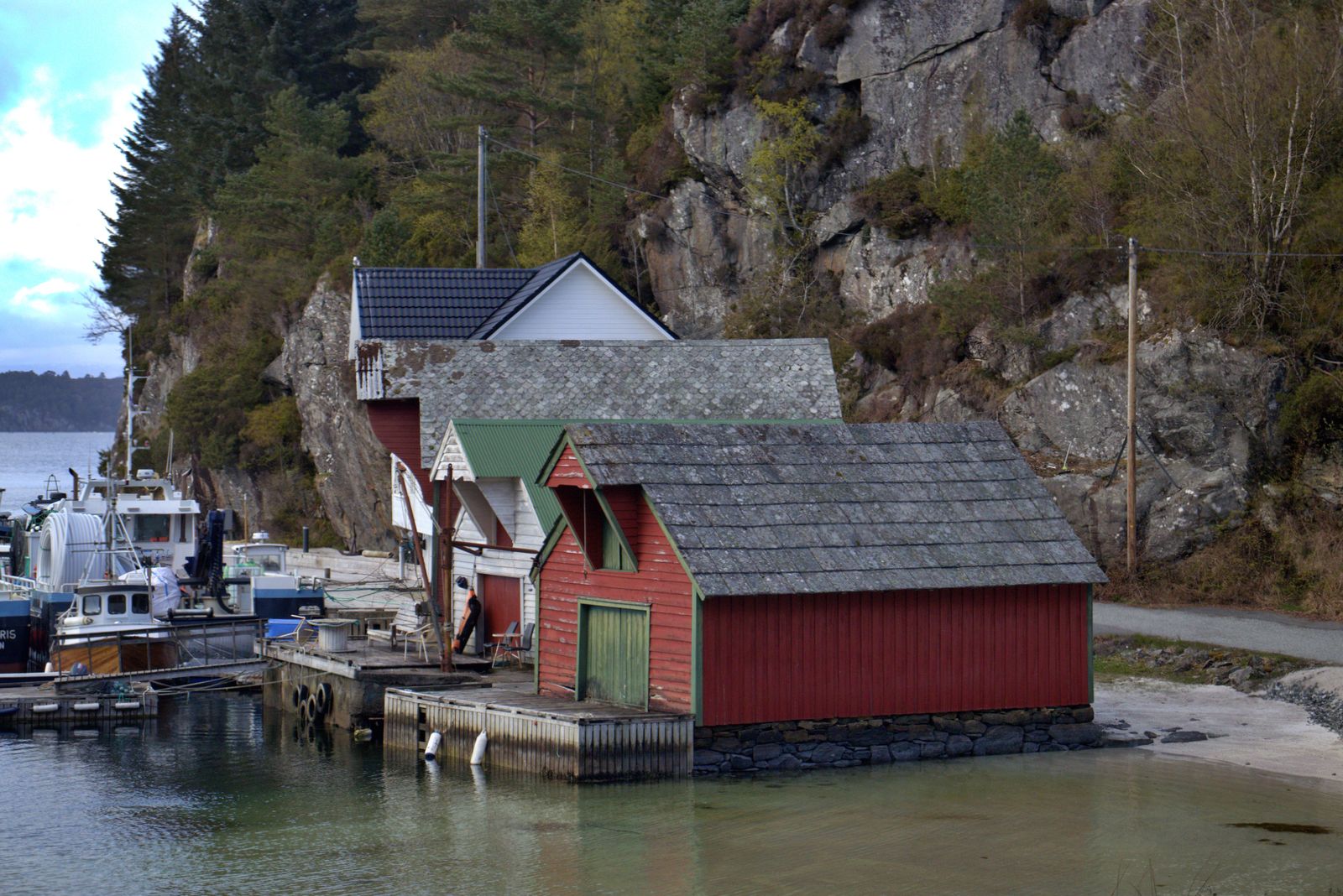
Another interesting place to discover Austevoll’s maritime heritage is Vasseide, where a collection of traditional sheds once used to store boats and fishing equipment has been preserved.
These buildings, known in Norwegian as naust, are an important part of the traditional architecture of coastal communities.
The boathouses in Vasseide mainly date from the 19th and 20th centuries and stand beside the water, adapted to the rocky coastal terrain.
It’s a short but interesting stop that offers a glimpse of everyday life in Austevoll, away from the main tourist attractions.
How to Plan Your Visit to Austevoll
Although the main islands are connected by bridges, some of the archipelago’s most interesting attractions can only be reached by boat.
For this reason, the most practical approach is to plan your visit around boat connections and the time you have available.
Route 1: Storebø, Bekkjarvik and Stolmen
This is the best option for a first day trip if you’re travelling by car.
After arriving by ferry at Hufthamar, start in Storebø, where you can visit the church and the historic buildings of Hufthamartunet.
Continue towards Bekkjarvik to explore its harbour, discover its historic buildings and enjoy lunch at one of its restaurants.
If you enjoy walking, you can hike up to Kongsfjellet via Kongskleiva.
Finish your excursion on Stolmen, visiting the Globen monument and the small harbour of Kvalvåg.
If you prefer hiking rather than visiting several villages, you can replace Stolmen with the climb to Loddo.
Route 2: Day Trip to Møkster
If you’d like to discover one of the archipelago’s quietest islands, spend a day on Møkster.
Check boat schedules in advance and plan your visit so you have enough time to explore before your return journey.
Once on the island, you can walk through the village, discover the geological formations at Røyrvikeskaget and enjoy its small swimming areas.
Route 3: Marstein Lighthouse
Marstein Lighthouse requires a separate excursion because it can only be reached by boat.
It’s a good option if you want to experience Austevoll’s more exposed coastal landscapes or enjoy something different by staying overnight in a lighthouse.
The duration and conditions of your visit will depend on the operator and the weather.
How to Get to Austevoll from Bergen
By car and ferry — The most convenient way to explore Austevoll is by car, combining road travel with a ferry crossing.
From Bergen, drive south towards Krokeide ferry terminal, approximately 30–40 minutes from the city centre.
From there, take the Krokeide–Hufthamar ferry, which connects the mainland with the island of Huftarøy.
The crossing takes approximately 35 minutes, and vehicles are allowed on board.
Once in Austevoll, you can travel between the main islands using the municipality's roads and bridges.
Since November 2025, vehicle fares on this route have been charged through the AutoPASS system, while passengers travelling without a vehicle can use the ferry free of charge.
You can check the latest timetables and fares on Skyss.
If you're travelling from Stavanger or Stord, you can also reach Austevoll via the ferry connecting Sandvikvåg, on Stord, with Husavik, in the southern part of the municipality.
This route makes it possible to include Austevoll in a journey through the Sunnhordland region.
By express boat — If you're travelling without a car, you can take an express boat departing from Strandkaiterminalen, in central Bergen.
Boat services connect Bergen with several quays in Austevoll, including Bekkjarvik and Storebø, depending on the route and timetable.
This is particularly convenient if you want to visit one of the main villages without bringing a vehicle.
However, exploring other islands may require combining the boat with local transport or additional journeys.
Between the islands — Islands without road connections, such as Møkster and Litlakalsøy, depend on local passenger boat services.
Frequency varies depending on the day of the week, and some stops require advance booking.
To plan your journeys, you can use Entur, Norway's public transport journey planner.
You can also read our guide to getting around Norway.
When Is the Best Time to Visit Austevoll?
May to September generally offers the best conditions for exploring Austevoll, particularly if you want to visit the islands, go hiking or take boat trips.
During spring, the coastal heathlands begin to turn green again, and the days become increasingly long.
In July and August, temperatures are generally more pleasant, and there’s a wider selection of outdoor activities.
Summer is also the best time to enjoy the small beaches, go kayaking or cycle along the bridges and secondary roads.
During autumn, the archipelago becomes quieter and offers a particularly beautiful atmosphere, although wind and rain can affect some excursions.
In winter, you can still visit Storebø, Bekkjarvik and the islands connected by road, but daylight hours are short and the weather can be especially unpredictable.
Boat trips to exposed locations such as Marstein Lighthouse depend on sea conditions throughout the year.
Whatever the season, it’s advisable to bring waterproof and windproof clothing, as Austevoll’s proximity to the North Sea means that weather conditions can change quickly.
Sources and Useful Links
- Visit Austevoll — Official Tourism Website
- Visit Austevoll — Activities
- Visit Bergen — Austevoll
- Kongskleiva — Hiking Route
- Adlesi Cabin — Vestland County Council
- Globen in Stolmen — Visit Norway
- Marstein Lighthouse — Official Website
- Mirabelle — Michelin Guide
- Transport and Timetables — Skyss
- Austevoll Municipality