15 Best Things to See and Do in Etne, Norway
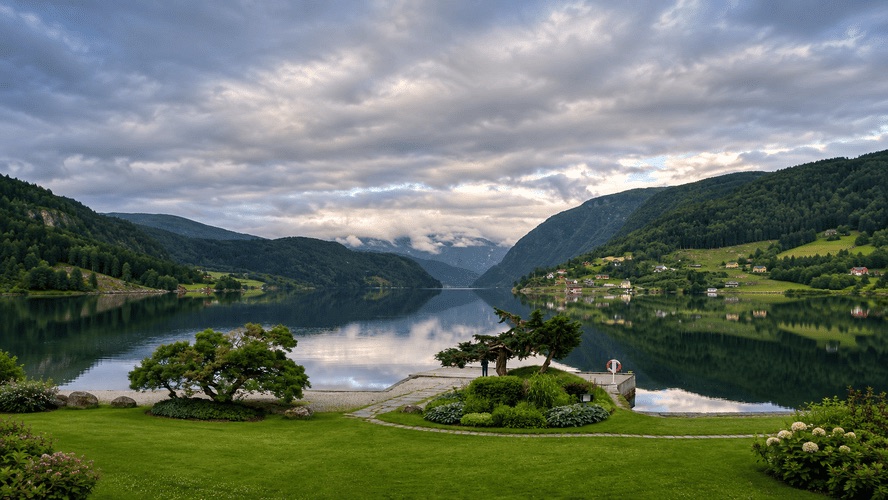
Etne is a municipality located in Sunnhordland, in the southern part of Norway’s Vestland region, where fjords stretch between mountains, waterfalls and small villages with strong maritime traditions.
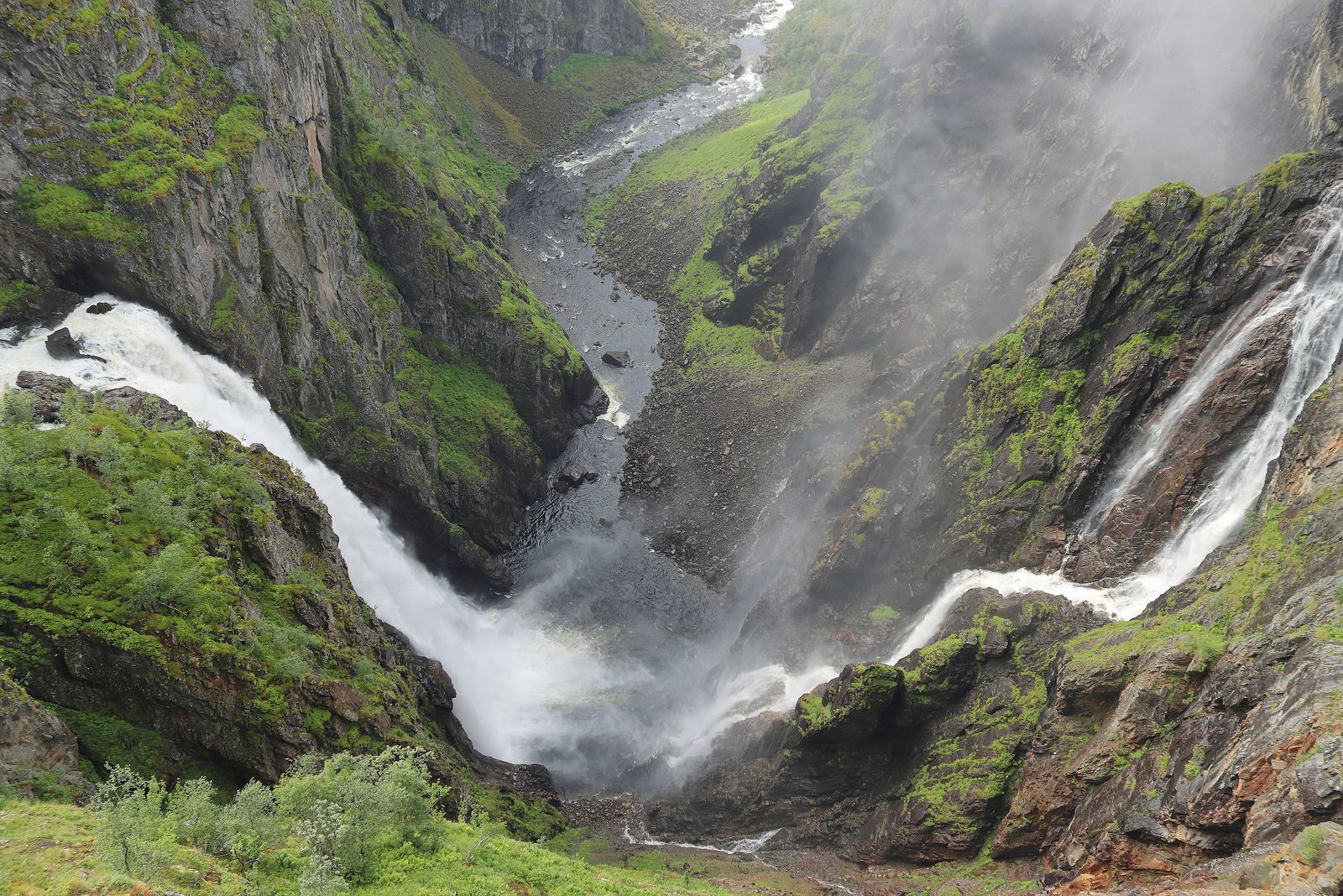
Its territory extends from the shores of Åkrafjorden and Etnefjorden to the mountains near the Folgefonna glacier. Its main attractions include Langfoss, one of Norway’s most spectacular waterfalls, the beautiful landscapes of Åkrafjorden and the picturesque village of Skånevik.
Etne also has a rich historical heritage, with medieval churches, ancient rock carvings and historic roads that reflect the region’s importance in Norway’s past.
If you’re exploring western Norway, here are 15 places to see and things to do in Etne, along with practical tips to help you plan your visit.
1. Admire Langfoss Waterfall
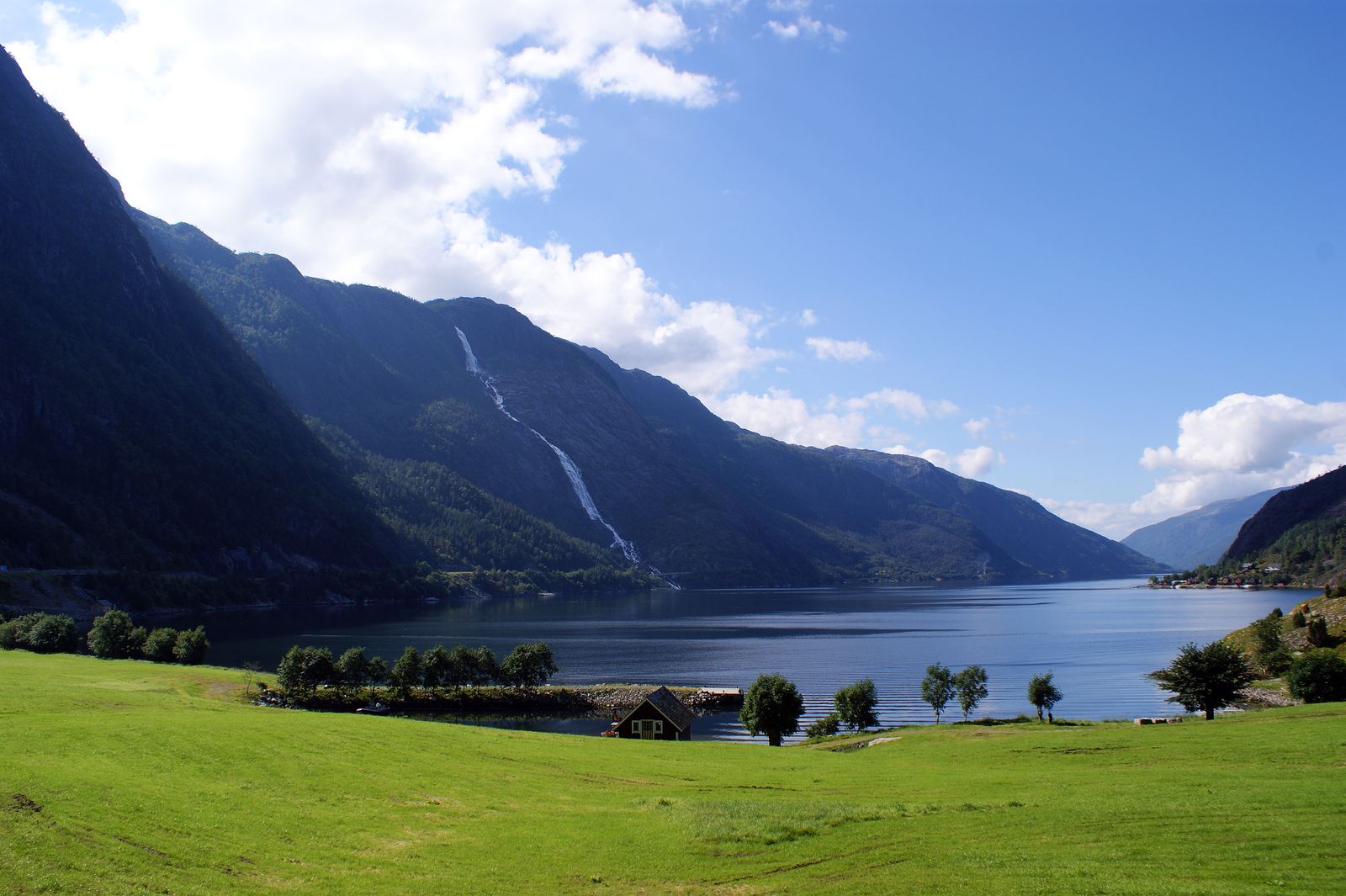
Langfoss is one of Etne’s main natural attractions and one of the most impressive waterfalls on Norway’s western coast.
It drops approximately 612 metres from the mountains into Åkrafjorden. Unlike waterfalls that plunge vertically, Langfoss flows down a long rocky mountainside, creating a series of cascades that can be admired from the fjord.
The river feeding the waterfall is protected from hydroelectric development, allowing its flow to continue depending on rainfall and melting snow.
In 2011, CNN and Budget Travel included Langfoss among the ten most beautiful waterfalls in the world.
How to Visit Langfoss
One of the best things about Langfoss is how easy it is to reach.
The E134 road passes directly beside the base of the waterfall, where you’ll find a parking area, a rest stop and a small kiosk that opens during the tourist season.
From here, you can admire the waterfall without needing to hike.
It’s also worth seeing Langfoss from the opposite shore of the fjord, at Eljarvik, where you can better appreciate its full height and the path of the water down the mountainside.
The best time to visit Langfoss is between May and June, when melting snow significantly increases the water flow.
During winter, parts of the waterfall may freeze, creating a completely different landscape.
2. Hike to Langfoss Viewpoint
If you’d like to admire the waterfall and Åkrafjorden from above, you can follow one of the hiking trails climbing the mountainside beside Langfoss.
The most accessible option is Langfosstrappen, a stone staircase built by Nepalese Sherpa stonemasons and completed in 2024.
The trail starts beside the waterfall’s parking area and climbs to a viewpoint approximately 350 metres above sea level.
From there, you’ll enjoy views of the fjord and the cascading waterfall.
The staircase makes access easier and helps reduce erosion, although it’s still a steep climb that requires considerable physical effort.
Hiking to Vardahaugen
For those looking for a more demanding hike, the trail continues to Vardahaugen, approximately 640 metres above sea level.
The route follows old paths once used to reach mountain pastures and passes through forested areas before arriving at a natural viewpoint with panoramic views of Åkrafjorden.
On clear days, you may also be able to see the Folgefonna glacier.
Allow approximately four hours for the ascent and descent.
It’s a steep route, so suitable hiking boots are recommended. Avoid attempting it when there’s snow, ice or poor weather conditions.
3. Explore Åkrafjorden
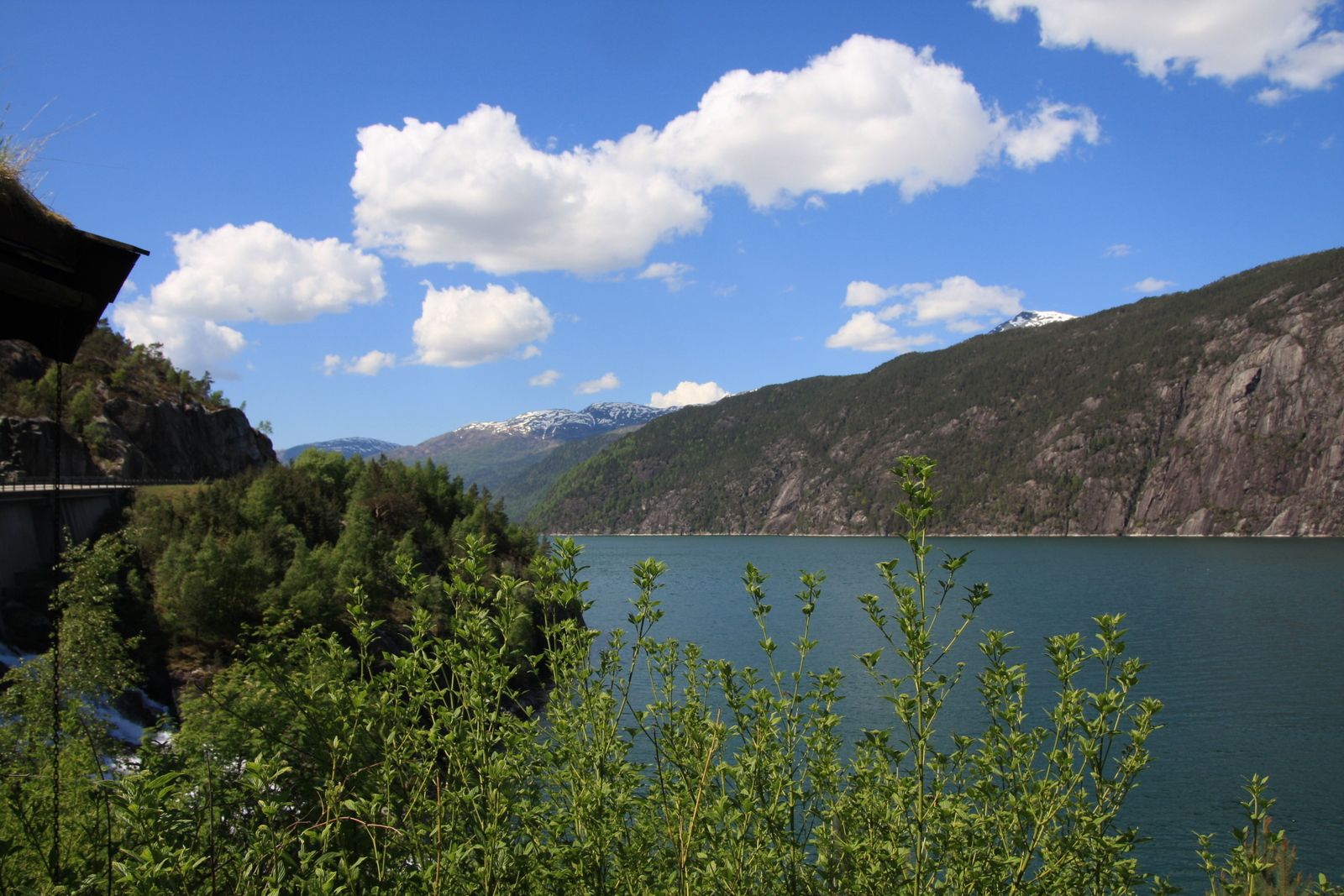
Åkrafjorden is one of Etne’s most spectacular landscapes.
This fjord stretches approximately 30 kilometres between towering mountains, forming a valley of steep slopes, forests and numerous waterfalls.
The E134 road follows much of its southern shore and passes through tunnels carved into the rock.
Along the way, you’ll find natural viewpoints and small villages where you can stop to admire the scenery.
One of these villages is Fjæra, located at the eastern end of the fjord and a starting point for several outdoor activities.
Things to Do in Åkrafjorden
Besides driving along the scenic road, there are several ways to experience the fjord:
- Boat trips: During summer, excursions aboard the MS Langfoss allow you to admire the mountains and waterfalls from the water.
- Kayaking and canoeing: Rental services are available in Fjæra, offering a different perspective on the landscape.
- Visit traditional farms: Some farms along the fjord can only be reached by boat. Organised excursions offer the opportunity to learn about their history and the traditional way of life.
- Local food: At Åkrafjordtunet in Teigland, you’ll find a restaurant and shop where you can try and buy regional products.
You can check available activities on the official Åkrafjorden tourism website.
4. Experience the Kyrkjeveggen Via Ferrata
If you enjoy adventure activities, Kyrkjeveggen is located in the mountains near Fjæra and is considered one of Norway’s most demanding via ferrata routes.
The route follows an impressive rock face overlooking the fjord, with climbing sections that require good physical fitness and experience.
Local operators offer different routes with varying difficulty levels, including some easier options.
The activity requires safety equipment and, on the more demanding routes, specialist guidance.
5. Discover Folgefonna National Park
North of Åkrafjorden lies part of Folgefonna National Park, established in 2005 to protect the glacier and surrounding mountain landscapes.
Around Mosnes, the park’s boundaries extend almost to the fjord, creating a dramatic landscape where glacial mountains rise directly above the sea.
Although excursions onto the glacier require specific planning, some of its peaks can be seen from viewpoints and hiking trails around Åkrafjorden.
6. Discover the Rullestad Giant’s Kettles
In the Rullestad Valley, you’ll find one of Etne’s most unusual geological landscapes: the Rullestad Giant’s Kettles, known in Norwegian as jettegrytene.
These formations are large, rounded holes carved into the rock by the force of water and sediment swirling inside them.
They formed during the retreat of the glaciers at the end of the last Ice Age, approximately 11,000 years ago, when enormous streams of meltwater flowed through the valley.
The site forms part of the Sunnhordland UNESCO Global Geopark, which protects and promotes the region’s geological heritage.
Hiking Through Rullestadjuvet Gorge
To reach the giant’s kettles, you can follow part of the old postal road through Rullestadjuvet Gorge, between Rullestad and Skromme.
This historic route, developed during the 19th century, passes through forests, rocky cliffs and streams.
A marked trail branches off from the main path and climbs towards the rock formations.
You can extend the hike to Jettegrytnuten, where you’ll enjoy panoramic views of the valley.
The complete excursion usually takes between two and three hours, depending on the route you choose.
Some sections include steps and metal handholds installed on the rock.
It’s important to wear hiking shoes with good grip, as the surfaces can become slippery when wet.
You can find route information on the official Sunnhordland Geopark website.
7. Explore Skånevik, the Pearl of Sunnhordland
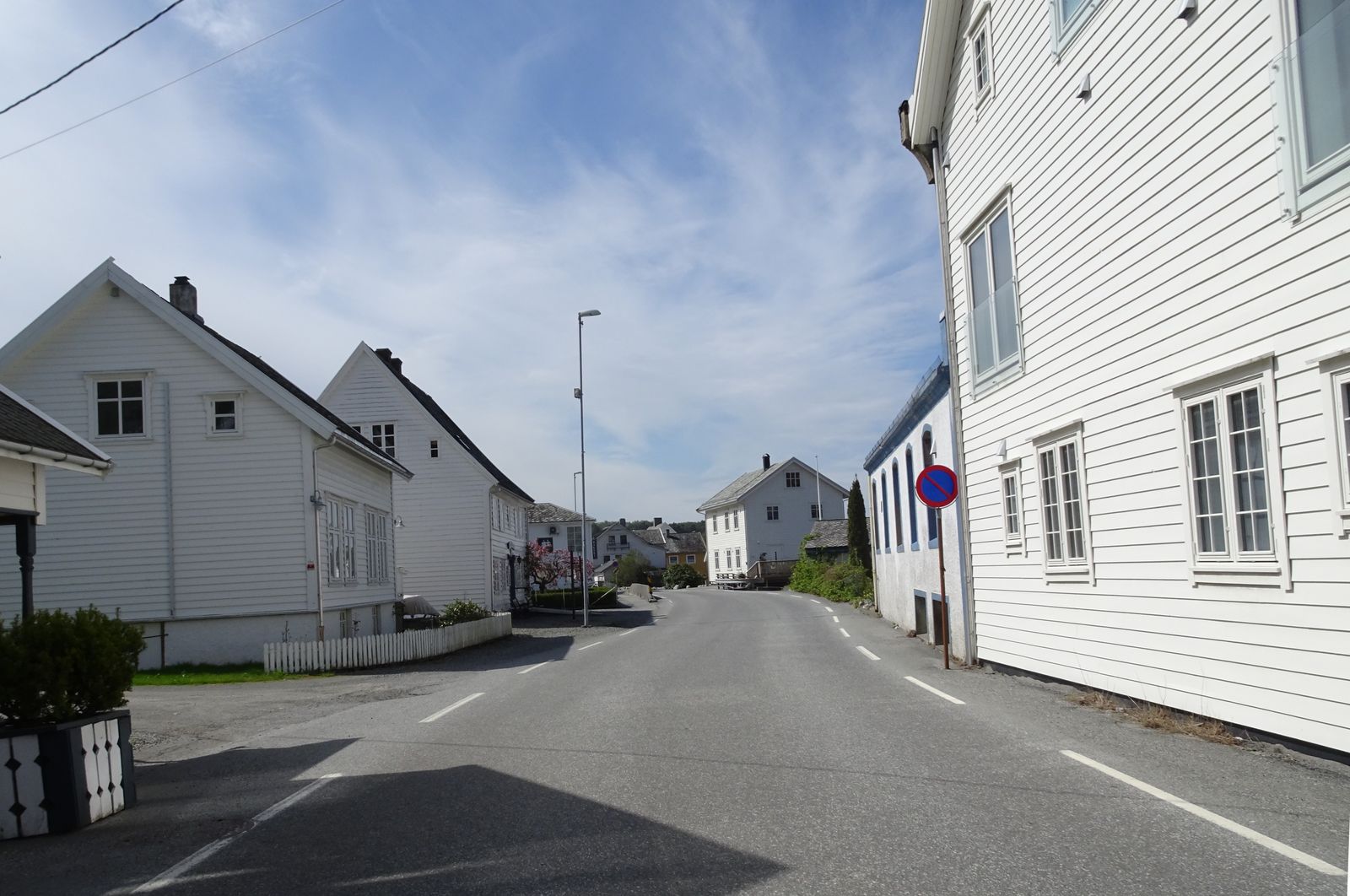
Skånevik is one of Etne’s most charming villages.
Located on the shores of Skånevikfjorden, it’s known for its traditional white wooden houses, quiet streets and small harbour.
Nicknamed “the Pearl of Sunnhordland,” the village preserves the atmosphere of the old coastal communities of western Norway.
Its centre is small and easy to explore on foot.
It’s worth walking through the streets near the harbour, admiring the traditional houses and heading down to the quay to enjoy views of the fjord and the mountains on the opposite shore.
During summer, the village becomes particularly lively thanks to the Skånevik Blues Festival, a music festival usually held in early July that attracts visitors from across the region.
Skånevik Church
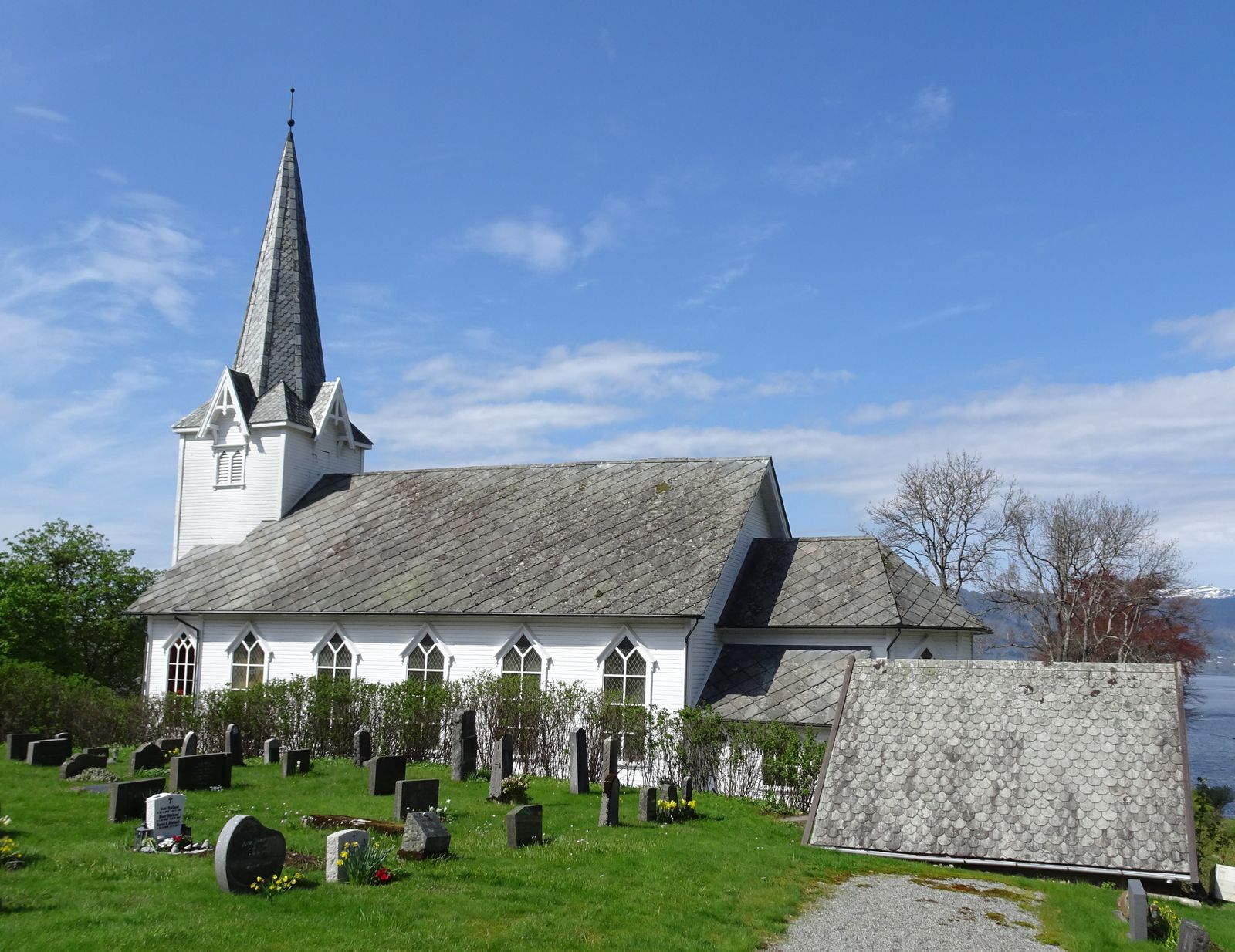
One of the village’s most important historical buildings is Skånevik Church (Skånevik kyrkje), a wooden church built in 1900 and designed by architect Hartvig Sverdrup Eckhoff.
The present church replaced an earlier building dating from 1682, although religious buildings have stood on this site since at least the Middle Ages.
Some historical objects from the previous church have been preserved, including a bell from 1701 and a chandelier dating from 1791.
Surrounded by its cemetery and overlooking the fjord, the church is worth a stop while exploring the village.
8. Visit the Norwegian Motor Museum in Skånevik
Another interesting attraction in Skånevik is the Norwegian Motor Museum (Norsk Motormuseum), dedicated to the history of engines manufactured in Norway for small boats.
Founded in 1986, the museum brings together engines and machinery connected to the development of the fishing and maritime industries, which transformed coastal communities from the late 19th century onwards.
One of its highlights is a reconstruction of an old engine workshop from Leirvik, on the island of Stord.
The museum also preserves machinery from the former King Oscar canning factory, which operated in Skånevik between 1908 and 2001 and became one of the area’s main employers.
The museum opens during the summer season.
Outside this period, group visits can sometimes be arranged, so it’s worth checking availability before travelling.
9. Discover Etnesjøen, the Centre of Etne
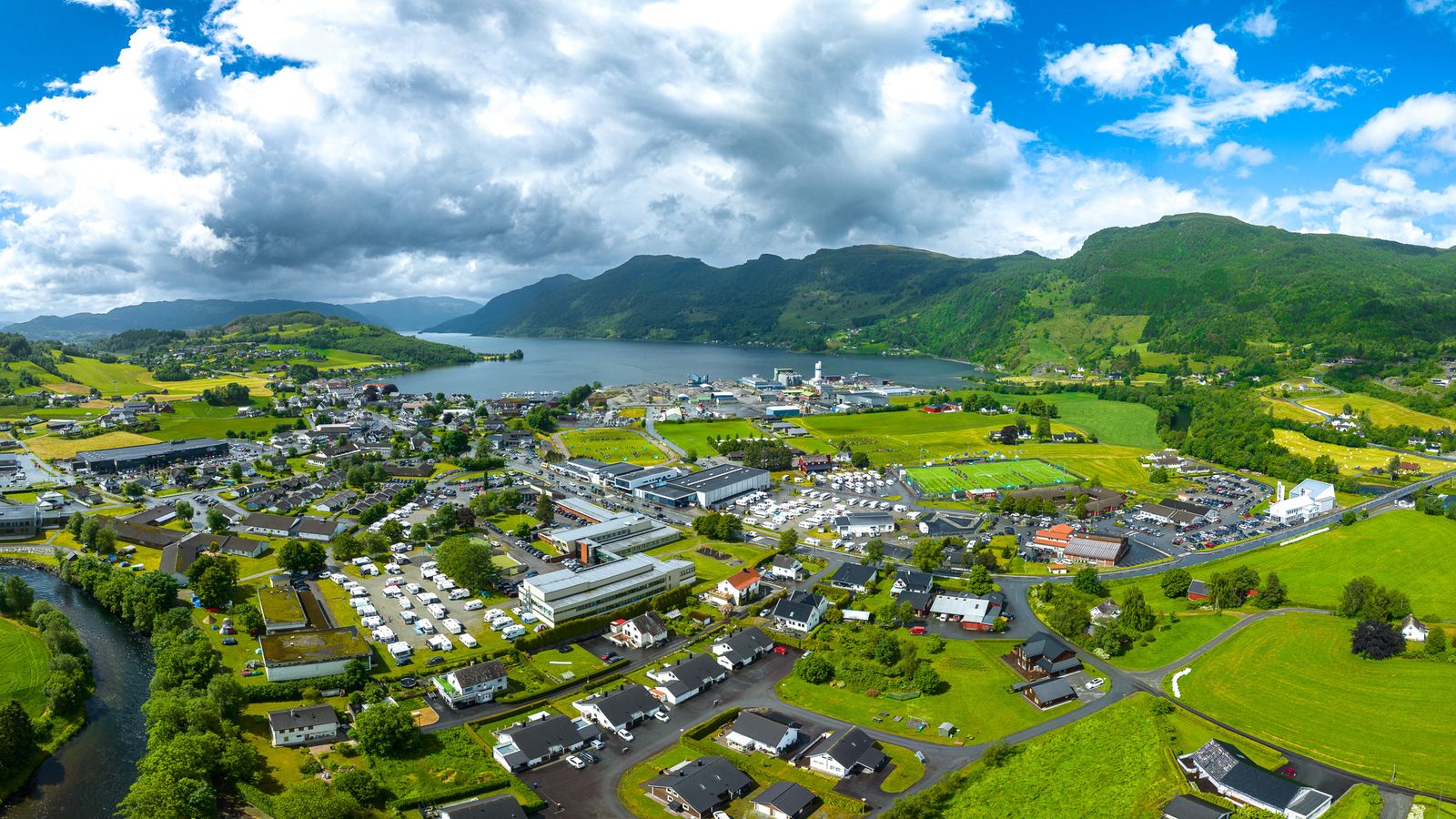
Etnesjøen is the main town and administrative centre of Etne municipality.
It’s located in a wide valley where the Etneelva River flows into Etnefjorden, surrounded by mountains and farmland.
Although it’s a small town, it has many of the area’s main services, including shops, restaurants and accommodation.
Thanks to its location, Etnesjøen is also a convenient starting point for exploring the municipality.
The Churches of Etnesjøen
Among the town’s most interesting religious buildings are two churches from very different periods.
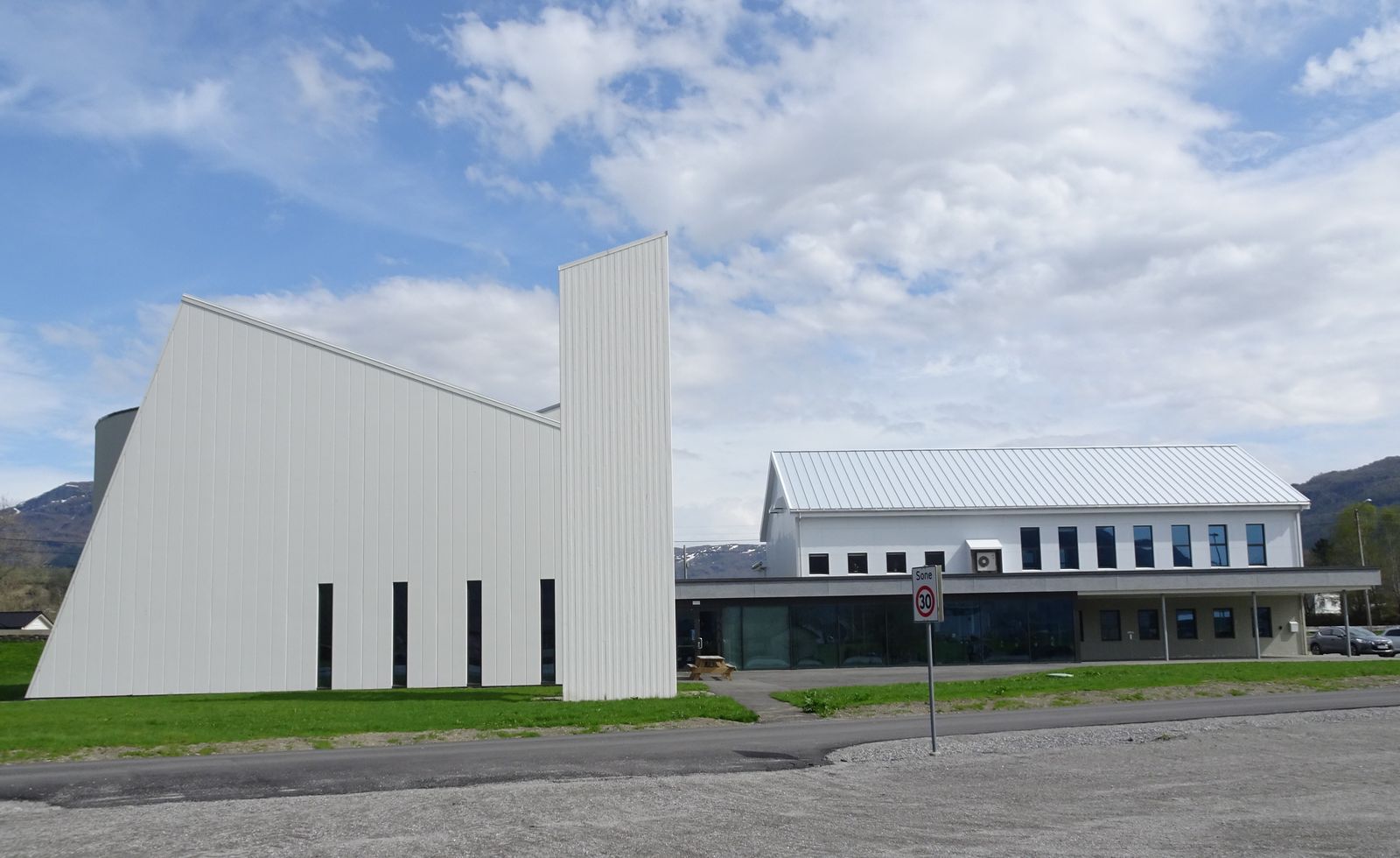
The new Etne Church, opened in 2013, stands out for its contemporary architecture, white geometric forms and separate tower.
It was built beside an old prayer house, incorporating both buildings into the same complex.
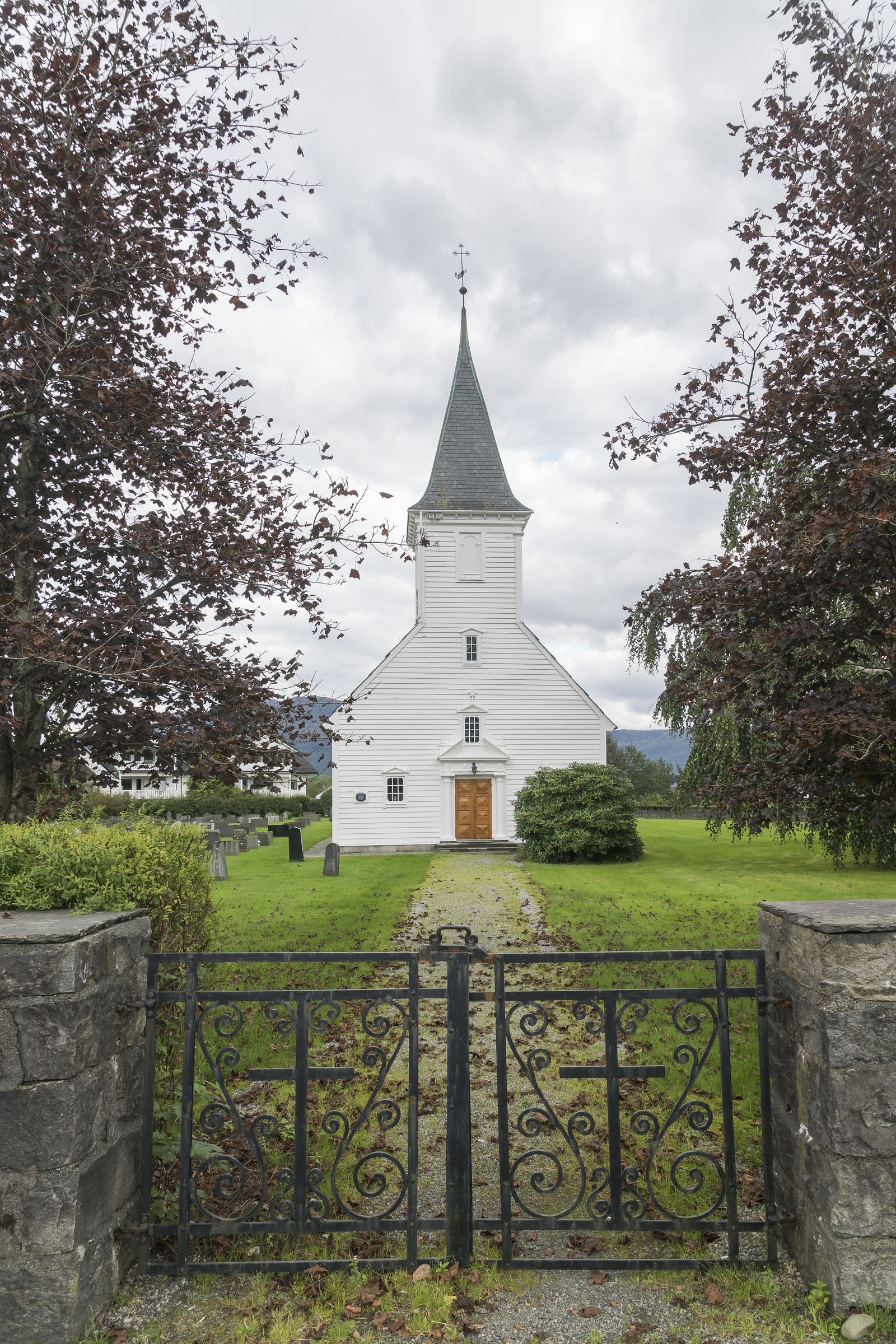
Very close by is Gjerde Church, a wooden church built in 1676 on a religious site used since the Middle Ages.
Its traditional architecture and surrounding cemetery contrast with the design of the modern church.
The Etneelva River
The Etneelva River is known for its tradition of salmon and sea trout fishing.
The river flows through the valley before reaching Etnefjorden and has long been part of the town’s identity.
Fishing is subject to regulations that may change each season, including restrictions or temporary closures to protect fish populations.
If you’re planning to fish, check the necessary permits and current rules in advance.
Etnemarknaden
One of the town’s traditional celebrations is Etnemarknaden, a fair bringing together local producers, craftspeople, cultural activities and family entertainment.
It usually takes place over three days in early August.
However, the organisers announced a break in 2026, so it’s worth checking the event’s official website for information about future editions.
10. Visit Sæbøtunet Rural Museum
Etnesjøen is also home to Sæbøtunet, a collection of historic farm buildings showing what rural life was like in this region.
The buildings illustrate the traditional architecture of Sunnhordland farms and offer an insight into historical farming and domestic activities.
It’s an interesting place for anyone who wants to discover Etne’s cultural heritage beyond its natural landscapes.
11. Discover the Medieval History of Stødle
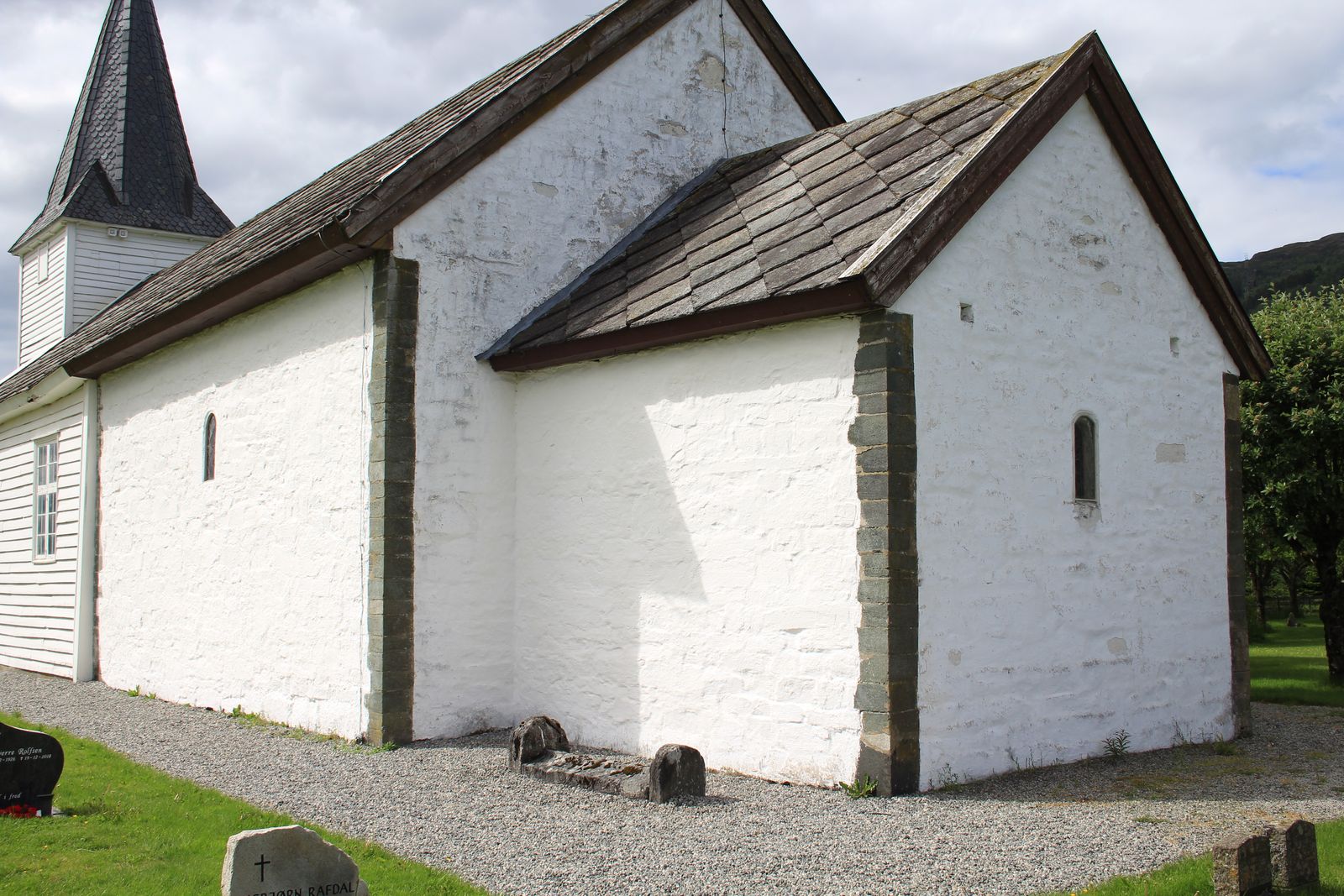
Stødle is one of Etne’s most important historical sites and a particularly interesting place to learn about the origins of medieval Norway.
Located on a natural terrace overlooking the valley and Etnefjorden, it was once the residence of a powerful Norwegian noble family.
Erling Skakke (approximately 1115–1179), an influential nobleman and military leader, lived here.
His son, Magnus Erlingsson, later became King Magnus V of Norway.
In 1163, Magnus was crowned in Bergen, becoming one of the central figures in the struggles for power that shaped Norwegian history during the 12th century.
Stødle Church
The main historical landmark in Stødle is its medieval church, originally built as a private chapel for Erling Skakke’s family.
The oldest part of the building, constructed in stone during the 12th century, survives in the present church’s chancel.
A wooden nave was added during the 17th century, followed by a tower in the 19th century, creating the building we see today.
Its combination of materials and architectural styles reflects the different stages of construction.
Medieval bells are also preserved inside the church.
The building is surrounded by a historic cemetery and offers beautiful views of the Etne Valley.
12. Discover the Helgaberg Rock Carvings
Near Stødle lies Helgaberg, a site containing Bronze Age rock carvings.
The figures were carved directly into rock surfaces and provide evidence of human activity in the valley during prehistoric times.
Other nearby sites, including Grindheim and Sørheim, preserve burial mounds and ancient burial grounds from different periods, ranging from the Bronze Age to the Viking Age.
These archaeological sites reveal a lesser-known side of Etne, where beautiful natural landscapes exist alongside thousands of years of history.
13. Relax at Sandvika Beach
Sandvika is one of the municipality’s best-known recreational areas, located beside the road connecting Etnesjøen and Skånevik.
It has a sandy beach, grassy areas, picnic tables, toilets and a volleyball court.
It’s a good place to stop and relax during an excursion, especially in summer when temperatures are suitable for spending time by the coast.
As in many parts of Norway, the water can remain quite cold even during the warmest months.
14. Hike the Historic Postal Road Between Etne and Skånevik
One of the municipality’s most interesting historical walking routes is the old postal road, known as Postvegen.
It formed part of the former transport route connecting Bergen and Stavanger, used for delivering mail and travelling between communities in the region.
Today, the route has been maintained as a hiking trail, passing through forests, historic farmland and mountain landscapes.
The full route between Etne and Skånevik is approximately 9 kilometres long and takes between three and four hours.
It involves considerable elevation gain, reaching an altitude of 640 metres at Varleitet.
From the highest point, you’ll enjoy views of both valleys and the surrounding Sunnhordland mountains.
If you’d prefer a shorter and easier walk, there’s a circular trail of approximately 3 kilometres in Skånevik that passes through a beech forest and beside an old bridge on the postal road.
15. Hike Gullruta, Etne’s Long-Distance Mountain Trail
For hikers who enjoy multi-day mountain trips, Etne also offers Gullruta, a marked route of approximately 81 kilometres crossing the municipality’s mountains.
The complete journey is usually divided into six days, using mountain cabins operated by the Norwegian Trekking Association (DNT).
The route begins at Øvre Markhus and passes lakes, mountain valleys and landscapes close to glacial areas.
It’s a good option for travellers looking for a multi-day hiking experience rather than shorter excursions accessible from the E134 road.
How to Plan Your Visit to Etne
Etne’s main attractions are spread between Åkrafjorden, the Etnesjøen Valley and the Skånevik Peninsula.
For this reason, the best way to explore the municipality is to organise your visits by area.
Route 1: Langfoss and Åkrafjorden
This is the best option if you only have one day or you’re travelling along the E134 road.
Start at Langfoss waterfall, where you can stop to enjoy the views or hike up to the viewpoint.
Continue along the fjord road towards Fjæra and, if you have time, visit the Rullestad Giant’s Kettles.
During summer, you can also replace one of the hikes with a boat trip on Åkrafjorden.
Route 2: Etnesjøen and Skånevik
This route combines historical heritage, traditional villages and coastal landscapes.
Start in Etnesjøen, visit Gjerde Church and the new Etne Church, then continue towards Stødle to discover its medieval history.
From there, head towards Skånevik, stopping at Sandvika Beach along the way.
Spend the rest of the day exploring the village, visiting its church and discovering the Norwegian Motor Museum if it’s open.
How to Get to Etne
By car — Driving is the most convenient way to visit Etne, as it allows you to reach the different villages, viewpoints and hiking trails.
The E134 road connects Haugesund with Etne and continues east along Åkrafjorden.
The distance from Haugesund to Etnesjøen is approximately 70 kilometres, with a driving time of around one hour and twenty minutes, depending on traffic and road conditions.
To reach Langfoss, continue east for another 30 kilometres.
By ferry and express boat — Vehicle ferries operate from Skånevik, connecting the village with Matre and Utåker, in the municipality of Kvinnherad.
There are also express boat services between Skånevik and other towns in Sunnhordland, with connections towards Bergen on certain departures.
Timetables vary depending on the season, so it's best to check them before planning your journey.
You can find more information in our guide to getting around Norway.
When Is the Best Time to Visit Etne?
May to September generally offers the best conditions for exploring Etne, especially if you want to hike, discover the fjords and visit its small villages.
During May and June, melting snow increases the flow of Langfoss and other waterfalls, making this one of the best times to see them.
July and August offer more pleasant temperatures, long days and a wider selection of tourist activities, including boat excursions, museums and festivals.
In autumn, the forests turn beautiful shades of red and gold, although rainfall is common.
During winter, the mountains may be covered in snow, and parts of Langfoss can freeze.
The main roads remain open, but mountain hiking trails can become dangerous because of snow and ice.
Whatever the season, it’s advisable to bring waterproof clothing and check the weather forecast before taking part in outdoor activities.
Sources and Useful Links
- Etne Tourist Information — Municipality Website
- Things to Do in Etne — Fjord Norway
- Åkrafjorden Activities and Attractions
- Sunnhordland UNESCO Global Geopark
- Stødle Church — Etne Parish
- Hiking Trails in Etne — DNT
- Norwegian Motor Museum — Visit Norway
- Transport and Timetables — Skyss
- Etnemarknaden — Official Website